High blood pressure—also known as Hypertension—is one of the most common health concerns among adults today.
While many people focus on adding healthier foods like fruits, vegetables, and whole grains to their diet, there’s another side to the equation that often gets overlooked:
The foods you should avoid.
And here’s the surprising part—it’s not always obvious junk food causing the problem. Many everyday items are packed with hidden sodium, unhealthy fats, and added sugars that can slowly push your blood pressure higher.
Health experts, including organizations like the American Heart Association and guidance such as the DASH diet, consistently recommend reducing sodium, limiting saturated fats, and choosing whole, unprocessed foods. Let’s take a closer look at the most common culprits.
1. Processed Meats: Small Portions, Big Impact
Processed meats are one of the biggest troublemakers when it comes to blood pressure. Foods like bacon, sausage, hot dogs, deli meats, salami, and cured ham are often loaded with:
- Sodium
- Preservatives
- Saturated fat
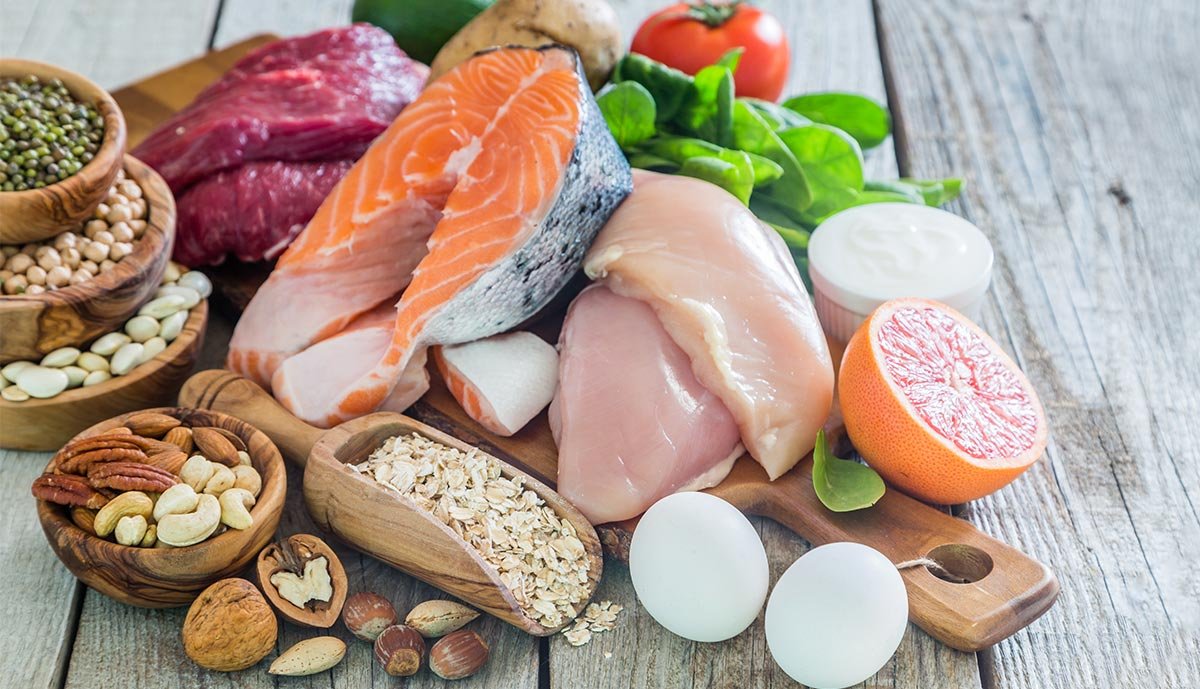
Even a small serving can take up a large chunk of your daily sodium limit. What makes it worse is how easy they are to consume regularly—think sandwiches, breakfast plates, or quick snacks. A better choice: Fresh proteins like chicken, turkey, fish, beans, or lentils.
2. Canned Soups and Instant Meals
They’re quick, easy, and comforting—but also surprisingly high in salt. Canned soups, instant noodles, and frozen meals often contain excessive sodium, even when they don’t taste overly salty. And here’s the catch: many packages contain more than one serving, so you may be consuming double the sodium without realizing it.
What to do instead:
- Look for “low-sodium” or “no added salt” options
- Cook homemade meals where you control the seasoning
3. Salty Snacks You Don’t Think Twice About
Chips, crackers, pretzels, and flavored popcorn are easy to grab—and even easier to overeat. Because they’re often eaten mindlessly between meals, your sodium intake can quickly add up without you noticing.
Smarter swaps:
- Unsalted nuts
- Fresh fruit
- Yogurt
- Raw vegetables
Small changes like these can make a noticeable difference over time.
4. Fast Food and Restaurant Meals
Fast food is one of the biggest hidden sources of sodium in modern diets. Burgers, pizza, fried chicken, burritos, and takeout meals are often packed with:
- Salt
- Saturated fat
- Large portion sizes
Even meals that don’t taste especially salty can contain high sodium levels due to sauces, cheese, and seasoning blends. The key tip: Limit how often you eat out, and be mindful of portion sizes when you do.
5. Sugary Drinks and Heavy Desserts
Sodium isn’t the only concern. Sugary drinks and rich desserts—like sodas, sweetened coffee drinks, pastries, and cakes—can also contribute to high blood pressure over time. Why? Because they’re linked to:
- Weight gain
- Insulin resistance
- Poor overall heart health
Maintaining a healthy weight is one of the most effective ways to manage blood pressure, and cutting back on added sugar plays a big role in that.
The Golden Rule: Watch Your Sodium First
If there’s one habit that makes the biggest difference, it’s this:
- Pay attention to sodium.
Most health guidelines recommend:
- No more than 2,300 mg per day
- Ideally 1,500 mg per day for people with high blood pressure
At the same time, eating more potassium-rich foods (if approved by your doctor) can help balance sodium’s effects.
Final Thoughts
Managing blood pressure isn’t just about adding healthy foods—it’s about removing the ones that quietly work against you.
The simplest and most effective strategy? Focus on fresh, whole foods and cut back on heavily processed ones.
Because when it comes to protecting your heart, small daily choices can have a powerful long-term impact.