Millions of people around the world face challenges with kidney function as they age or manage everyday health factors like blood pressure and blood sugar levels. The tiredness, swelling in the legs, and shifts in daily energy can make even simple tasks feel exhausting and leave you wondering what’s happening inside your body. But new lab research from scientists in Singapore is shining a light on how kidneys naturally attempt to repair themselves and what might slow that process down. And here’s the part that has experts paying close attention: they zeroed in on one specific protein that appears to play a central role when that repair mechanism stalls.

Understanding Everyday Kidney Health Challenges
Kidneys work around the clock to filter waste, balance fluids, and support overall well-being. When they face ongoing stress from common lifestyle or health factors, many people notice gradual changes that affect how they feel day to day. Research continues to explore why some kidneys seem to slow their natural repair efforts over time.
The good news is that kidneys do have built-in ways to bounce back from minor stress. The tricky part comes when damage lingers and the body’s repair signals get interrupted. That’s exactly where this recent Singapore study steps in with fresh clues.
What the Singapore Team Actually Found in the Lab

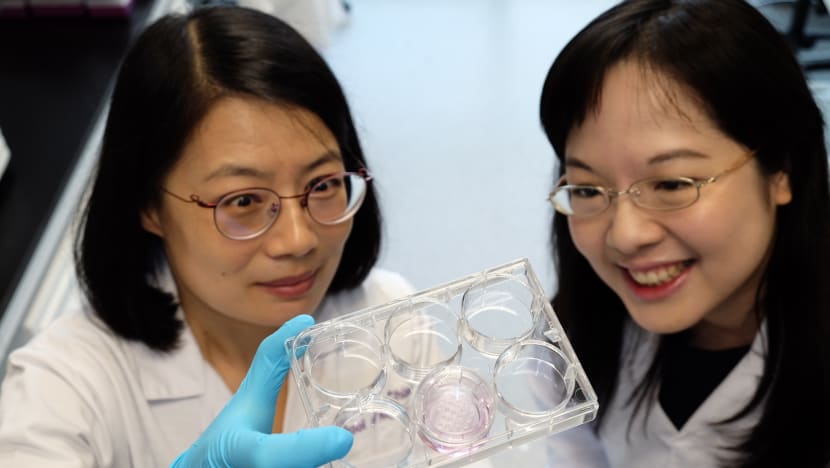
Scientists at Duke-NUS Medical School and the National Heart Centre Singapore took a close look at kidney tubule cells—the hardworking parts that handle filtration and reabsorption. In their preclinical lab models, they noticed something fascinating.
When kidneys experience injury, certain cells start producing higher levels of a protein called interleukin-11, or IL-11. This protein, the team discovered, can trigger inflammation and scarring that gets in the way of normal cell renewal. But wait—here’s the surprising part that got everyone excited.
By using a targeted approach to block IL-11 in controlled lab settings, the researchers watched as the kidney tubule cells began to behave differently. The cells started multiplying again, inflammation markers dropped, and the overall tissue structure showed signs of improvement in the models.
This wasn’t about a magic fix. It was a window into how the body’s own repair system might get “unstuck” when one key signal is dialed down. The findings were published in the journal Nature Communications and focused entirely on lab and animal models, giving scientists a clearer picture of cellular behavior.
Why This Discovery Matters for Kidney Science
For years, experts knew kidneys have some natural ability to repair themselves after short-term stress. What wasn’t fully clear was why that process often slows or stops in longer-term situations. This Singapore research points to IL-11 as one important piece of the puzzle.
The study showed that when IL-11 activity was reduced in the lab models:
- Kidney tubule cells re-entered a growth phase
- Signs of scarring and inflammation decreased
- Overall kidney tissue mass and basic function improved in the experimental setting
These results highlight how understanding one protein’s role could open new doors for future research into supporting the body’s own maintenance systems.
Everyday Habits That Support Kidney Health
While lab discoveries like this one are exciting, there are simple steps you can take right now to give your kidneys the best possible environment for their natural processes. Here are a few evidence-backed habits many health experts recommend:
- Stay well hydrated throughout the day—aim for consistent water intake rather than large amounts at once
- Choose balanced meals with plenty of vegetables, fruits, and lean proteins while watching sodium levels
- Keep blood pressure and blood sugar in healthy ranges through regular movement and mindful eating
- Get enough quality sleep so your body can focus on its nightly repair routines
- Schedule routine check-ups to monitor basic kidney markers as part of your overall wellness plan
Small, consistent choices like these help create the conditions where your kidneys can do what they’re designed to do.
Breaking Down the Science in Simple Terms

You might be wondering exactly how IL-11 fits into the bigger picture. Think of it like a traffic signal inside your cells. When levels stay balanced, everything flows smoothly. But when injury causes too much IL-11, it’s like the signal gets stuck on “caution,” leading to buildup and slowdowns in repair traffic.
In the Singapore lab models, reducing that signal allowed the natural “go” message to resume. The tubule cells started dividing again, and the tissue began to look and function more like healthy kidney structures. It’s a beautiful example of how the body is wired for resilience—if the right conditions are met.
Researchers emphasized that this was observed in carefully controlled preclinical settings using both mouse models and human kidney cells grown in the lab. No human clinical applications have been tested yet, but the data adds to our growing understanding of cellular repair pathways.
What This Could Mean for Future Kidney Research
The Singapore findings have sparked interest because they focus on helping the body help itself rather than only managing symptoms. Scientists are now asking: Could targeting specific proteins like IL-11 eventually lead to new research directions that support the kidneys’ built-in regeneration abilities?
Of course, moving from lab models to real-world human studies takes time, rigorous safety testing, and many more steps. Still, this work represents one more piece in the larger puzzle of kidney science.
Actionable Steps You Can Start Today
Want to support your kidney health while the research continues? Try these practical tips:
- Track your daily fluid intake using a simple app or marked water bottle
- Swap one processed snack for a handful of fresh berries or sliced cucumber each day
- Take a 15-minute walk after meals to help maintain healthy circulation
- Review your over-the-counter medications with your doctor to ensure they’re kidney-friendly
- Schedule a basic wellness blood panel if it’s been more than a year since your last check
These steps won’t replace medical care but can make a real difference in how you feel and how well your body functions day to day.
Frequently Asked Questions
What is IL-11 and why are researchers talking about it?
IL-11 is a protein produced by the body during times of stress or injury. Recent lab research suggests it can influence inflammation and scarring in kidney tissue, which is why scientists are studying its role in cellular repair pathways.
Does this mean new treatments are coming soon?
The study was conducted in preclinical lab and animal models. More research, including human clinical trials, would be needed before any potential applications could be developed. Right now it’s an important step forward in understanding kidney biology.
How can I check on my own kidney health?
The best approach is to talk with your healthcare provider. Simple blood and urine tests can give a clear picture of how your kidneys are doing as part of your regular check-ups.
Final Thoughts
This Singapore research offers a hopeful glimpse into how our kidneys might naturally work to maintain themselves when given the right conditions at the cellular level. While it’s still early-stage science, it reminds us just how remarkable the human body truly is.
Important Disclaimer
This article is for informational and educational purposes only and does not constitute medical advice. The information provided is based on published preclinical research and general health knowledge. Always consult with a qualified healthcare professional for any concerns about your kidney health or before making changes to your diet, lifestyle, or medications. Individual results may vary and professional medical guidance is essential for personalized care.