Pork products such as bacon, ham, sausages, and pork chops are enjoyed by millions of people every day. While properly cooked pork is generally safe to eat, health experts warn that certain parasitic infections linked to pork can cause serious health problems if food safety and hygiene practices are ignored.
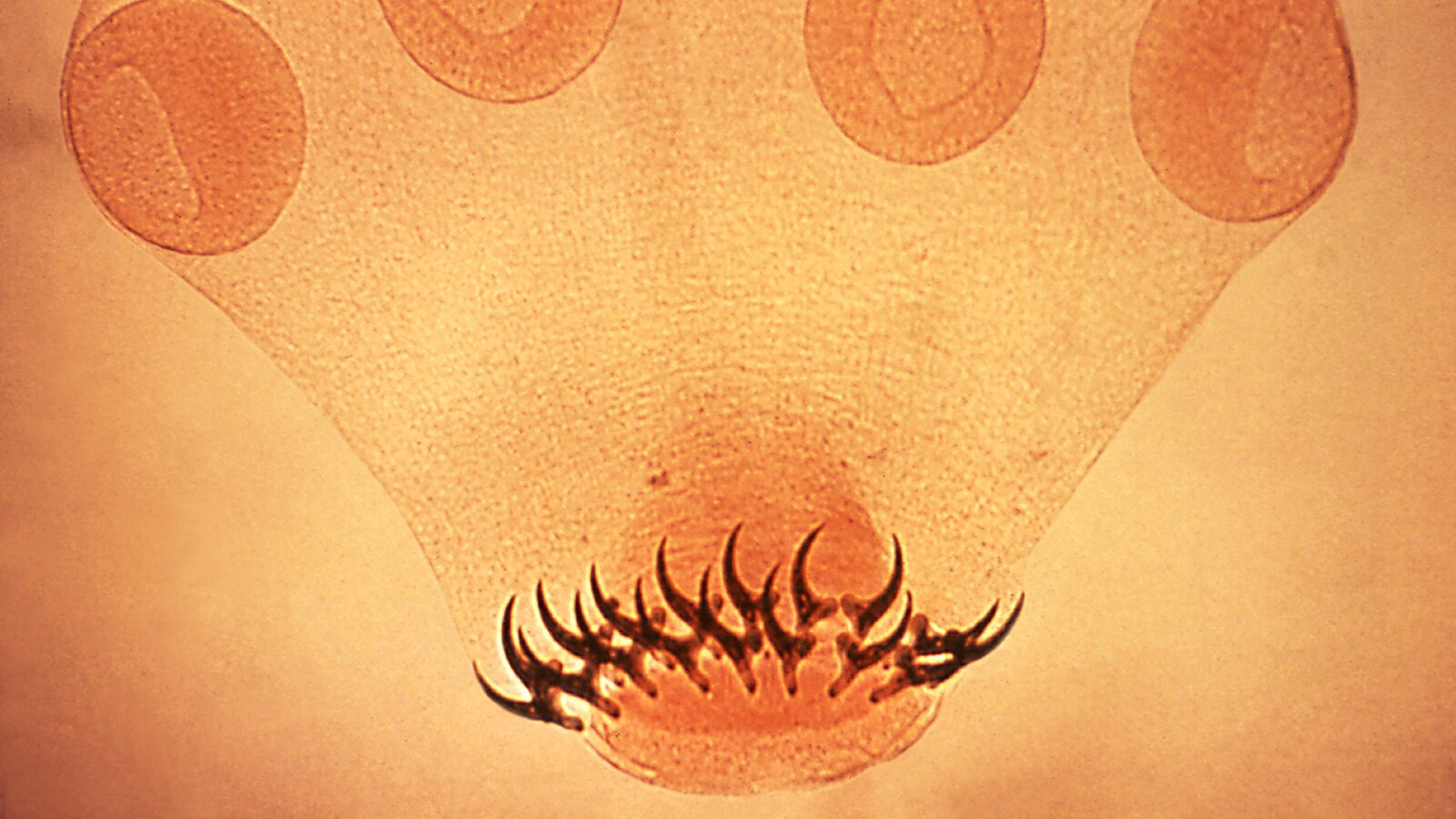
One of the most concerning parasites is the pork tapeworm, scientifically known as Taenia solium. In rare cases, this parasite can affect the brain and lead to a condition called neurocysticercosis.
What Is the Pork Tapeworm?
The pork tapeworm is a parasitic worm that can infect humans and pigs. People can become infected when they consume pork that contains tapeworm larvae and has not been cooked thoroughly.
Once inside the body, the parasite may develop and, in certain circumstances, its eggs can spread to different tissues, including muscles, eyes, and even the brain.
What Is Neurocysticercosis?
Neurocysticercosis is a serious infection that occurs when tapeworm larvae form cysts in the brain. It is considered one of the leading causes of acquired epilepsy in some parts of the world.
The condition can cause inflammation and pressure within the brain, leading to neurological symptoms that may become severe if left untreated.
Common Symptoms of Brain Infection
Symptoms can vary depending on the location and number of cysts. Common signs may include:
- Seizures
- Persistent headaches
- Dizziness
- Difficulty concentrating
- Vision problems
- Nausea and vomiting
- Balance or coordination issues
Some individuals may have no symptoms for years before problems develop.
How Do People Become Infected?
Many people assume infection occurs only from eating pork, but the situation is more complex.
Humans can become infected through:
- Eating undercooked pork containing tapeworm larvae.
- Poor hand hygiene after using the restroom.
- Contaminated food or water.
- Exposure to environments with poor sanitation.
In some cases, people accidentally ingest microscopic tapeworm eggs, which can lead to the development of cysts in different parts of the body.
Who Is Most at Risk?
The infection is more common in regions where sanitation is limited and where pigs may come into contact with human waste.
Travelers visiting areas where the parasite is more prevalent should pay particular attention to food safety, clean drinking water, and proper handwashing practices.
How Is It Diagnosed?
Doctors may use several methods to diagnose neurocysticercosis, including:
- MRI scans.
- CT scans.
- Blood tests.
- Neurological examinations.
Early diagnosis is important because treatment becomes more effective before complications develop.
How Is It Treated?
Treatment depends on the severity of the infection and the location of the cysts.
Doctors may prescribe antiparasitic medications, anti-inflammatory drugs, or anti-seizure medications. In some cases, surgery may be required to remove cysts or relieve pressure within the brain.
How to Protect Yourself
- Cook pork thoroughly to safe internal temperatures.
- Wash your hands regularly with soap and water.
- Drink clean and safe water.
- Practice good kitchen hygiene.
- Avoid consuming raw or undercooked meat.
- Be cautious when traveling to areas with poor sanitation.
Final Thoughts
Although brain infections caused by pork tapeworms are relatively uncommon in developed countries, they remain a significant public health concern in some parts of the world. The good news is that most infections are preventable through proper cooking, sanitation, and personal hygiene.
Understanding how these parasites spread can help protect you and your family from a potentially serious but largely preventable infection.