1. Never Skip Your Blood Pressure Medication
If your doctor has prescribed medication for high blood pressure, taking it consistently is one of the most important things you can do. Skipping a morning dose can allow your blood pressure to rise unexpectedly, increasing your risk of heart attack or stroke. Always take your medication exactly as prescribed unless your healthcare provider advises otherwise.
2. Don’t Jump Out of Bed Too Quickly
Standing up suddenly after waking can cause dizziness or a rapid change in blood pressure. Sit on the edge of your bed for a minute, stretch gently, and stand up slowly to allow your body to adjust.
3. Avoid Eating a Salty Breakfast
Many common breakfast foods such as processed meats, instant noodles, canned foods, and packaged snacks contain large amounts of sodium. Too much salt can raise blood pressure and increase fluid retention. Choose healthier options like oatmeal, fresh fruit, yogurt, eggs, or whole-grain toast instead.
4. Don’t Drink Too Much Coffee Immediately After Waking
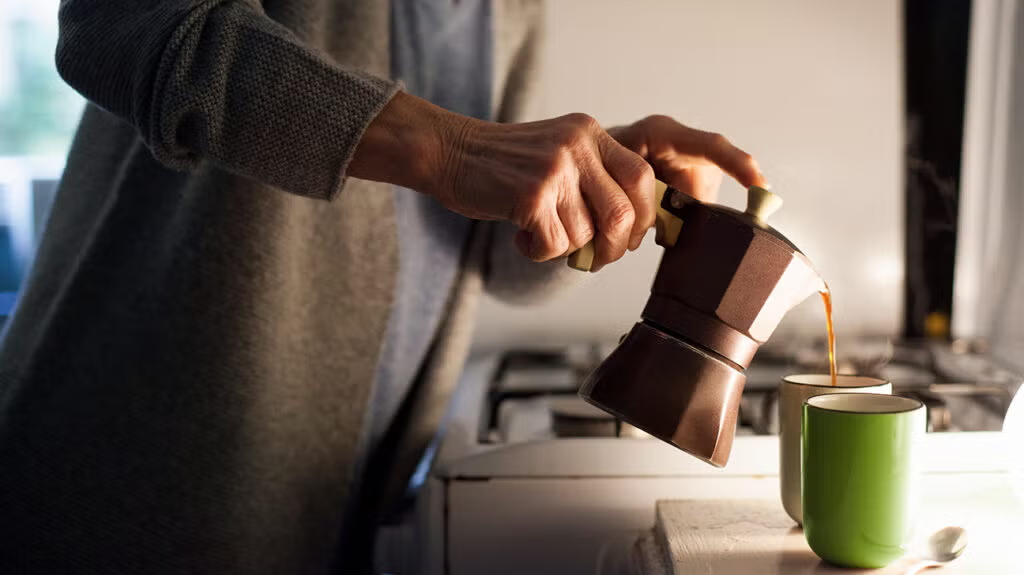
Caffeine can cause a temporary increase in blood pressure, particularly in people who are sensitive to it. If you have hypertension, consider limiting your caffeine intake or waiting until after breakfast before having coffee. Monitor how your body responds and discuss your caffeine consumption with your doctor if necessary.
5. Never Smoke a Cigarette First Thing in the Morning
Smoking causes blood vessels to narrow and immediately raises blood pressure. The combination of nicotine and already elevated morning blood pressure significantly increases the strain on your heart and arteries.
6. Don’t Ignore Stress
Starting your day by checking stressful emails, scrolling through upsetting news, or rushing around the house can increase stress hormones that temporarily raise blood pressure. Try taking a few deep breaths, stretching, or spending a few quiet minutes before beginning your daily routine.
7. Don’t Skip Breakfast Completely
Skipping breakfast may contribute to unstable blood sugar and unhealthy eating later in the day. A balanced breakfast containing protein, fiber, and healthy fats helps provide steady energy and supports overall cardiovascular health.
8. Avoid Heavy Alcohol Consumption
If you consume alcohol early in the day, it can interfere with blood pressure control and may also interact with certain medications. Limiting alcohol is generally recommended for people with hypertension.
9. Don’t Forget to Stay Hydrated
Even mild dehydration can affect circulation and make your heart work harder. Drinking a glass of water after waking helps replace fluids lost overnight and supports normal body function.
10. Don’t Ignore Regular Blood Pressure Monitoring
If your doctor recommends checking your blood pressure at home, morning is often one of the best times to do it. Measure it before eating, exercising, or drinking caffeine, and keep a record to share with your healthcare provider.
Final Thoughts
Managing high blood pressure isn’t just about taking medication. Small morning habits can make a meaningful difference in keeping your blood pressure under control. Eating a healthy breakfast, reducing sodium, managing stress, avoiding smoking, staying hydrated, and following your prescribed treatment plan can all help lower your risk of serious complications. If your blood pressure remains consistently high despite lifestyle changes, consult your healthcare provider for personalized advice.