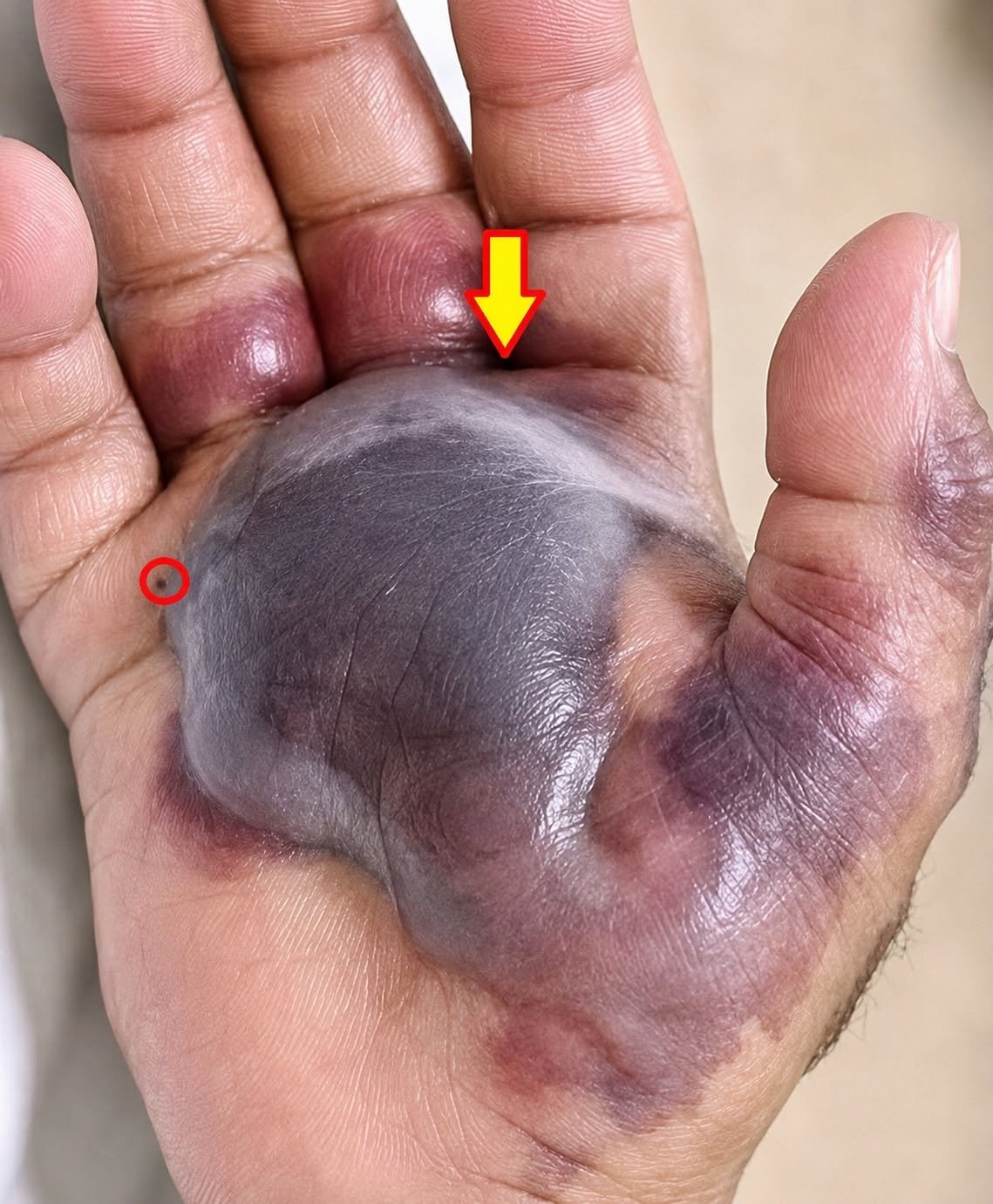
Let me tell you about the time I almost ignored a tiny scratch. I was in my garden, pruning some rose bushes, when a thorn caught my finger. It was a small cut—hardly more than a scratch. I rinsed it off, put a bandage on it, and went back to work. I didn’t think twice about it.
A few days later, the area around the cut was red and warm. It was slightly swollen and tender to the touch. I assumed it was just healing. But the next morning, the redness had spread and there was a thin red streak traveling up my finger.
I went to the doctor, and she told me I had cellulitis—a bacterial infection that had entered through that tiny cut. She said if I’d waited another day, it could have become much more serious.
I was lucky. I caught it early enough to treat with antibiotics. But I’ve never ignored a small cut since.
In the vast majority of cases, small skin injuries heal without any problems at all. However, serious complications are uncommon—but they can happen. Recognizing the early warning signs can make all the difference.
Why Small Injuries Can Become Serious
The skin is the body’s first line of defense against bacteria, viruses, and other pathogens. When it’s intact, it does an excellent job of keeping harmful microorganisms out.
- But even a tiny break in the skin can be an entry point for infection. How infections start:
- Bacteria enter through a break in the skin (cut, scrape, bite, or burn)
- The bacteria multiply in the warm, moist environment under the skin
- The body’s immune system responds with inflammation
- If the body can’t fight off the infection, it spreads
Who’s at higher risk:
- Older adults (immune system function declines with age)
- People with diabetes (poor circulation and slower healing)
- People with weakened immune systems
- People on certain medications (steroids, chemotherapy)
- People with chronic skin conditions
The First Signs of Infection (Don’t Ignore These)
1. Redness That Spreads
Some redness around a wound is normal during healing. But if the redness starts to spread beyond the original area, it could be a sign of infection. What to look for:
- Redness that expands outward from the wound
- A red streak traveling away from the wound (this can indicate a serious infection)
- Redness that appears several days after the injury
2. Pain or Tenderness That Worsens
Mild discomfort is normal. But if the pain gets worse over time—especially if it becomes throbbing or severe—that’s a warning sign. What to look for:
- Pain that increases instead of decreasing
- Throbbing or deep aching
- Pain that seems disproportionate to the size of the injury
3. Swelling That Increases
Some swelling is a normal part of healing. But if the swelling worsens instead of improving, it could indicate an infection. What to look for:
- Swelling that expands beyond the wound area
- Visible puffiness or distortion of the skin
- Swelling that appears several days after the injury
4. Warmth or Heat
An infected area often feels warm to the touch because the body is sending extra blood flow to fight the infection. What to look for:
- The area feels warmer than surrounding skin
- The warmth persists or increases
- The warmth spreads beyond the wound area
5. Fever or Feeling Unwell
If an infection starts to spread beyond the wound, you may develop a fever or feel generally unwell. What to look for:
- A temperature of 100.4°F (38°C) or higher
- Chills, sweating, or fatigue
- Feeling of being unwell, with no other cause
6. Pus or Drainage
Clear fluid is normal during the healing process. But if the fluid becomes cloudy, yellow, green, or foul-smelling, it’s likely pus—a sign of infection. What to look for:
- Thick, cloudy, or discolored drainage
- Foul odor
- Pus that continues to accumulate
7. A Wound That Doesn’t Heal
Most minor wounds start to improve within a few days. If yours doesn’t, or if it looks worse after a few days, it’s time to see a doctor. What to look for:
- No improvement after 2-3 days
- The wound is getting larger or deeper
- New symptoms appear
What to Do If You Notice These Signs
If you notice any of these signs, don’t wait to see if it gets better on its own. What to do:
- Call your doctor. Describe what you’re seeing and ask if you should be seen.
- Draw a line around the redness. If the redness is spreading, draw a line around the edge with a pen. You’ll be able to track whether it’s expanding.
- Keep the area clean and dry. Gently wash with mild soap and water, and cover with a clean bandage.
- Don’t try to pop or drain it. This can make the infection worse.
- Take over-the-counter pain relief if needed. But don’t use it as a substitute for getting medical care.
Simple, Old-Fashioned Wound Care (The Right Way)
For Minor Cuts and Scrapes:
- Clean gently. Wash the wound with mild soap and water. Pat dry with a clean towel.
- Apply an antibiotic ointment. A thin layer of over-the-counter antibiotic cream can help prevent infection.
- Cover with a clean bandage. Keep the wound covered until it’s healed.
- Change the bandage daily. Clean the wound each time you change the bandage.
- Leave it alone. Don’t pick at scabs.
For Insect Bites and Stings:
- Wash gently. Clean the area with mild soap and water.
- Apply a cold compress. This can reduce swelling and itching.
- Don’t scratch. Scratching breaks the skin and increases the risk of infection.
- Use an anti-itch cream. Over-the-counter hydrocortisone can help.
- Monitor for signs of infection. If redness or warmth spreads, see a doctor.
How to Avoid Infection
- Wash your hands before handling a wound
- Use clean tools if you’re trimming nails or removing splinters
- Keep the wound clean and dry
- Change bandages regularly
- Watch for early signs of infection
- Don’t hesitate to see a doctor if you’re concerned
A Final Thought
I used to think a small cut or scratch was nothing to worry about. I’d rinse it off, slap a bandage on it, and forget about it. But that experience with the rose thorn taught me a lesson: even a tiny break in the skin deserves attention.
Your skin is your body’s first line of defense. When it’s compromised, taking a few minutes to clean, cover, and monitor can make all the difference.
Trust your instincts. If something doesn’t look or feel right, don’t ignore it. It’s better to be safe than sorry.
Have you ever had a minor injury that turned into something more serious? What did you learn? Share your story in the comments—it could help someone else. 🩹🦟