A common virus can stay dormant for years and become contagious again without warning. Many people assume that once childhood illnesses are gone, they never return.
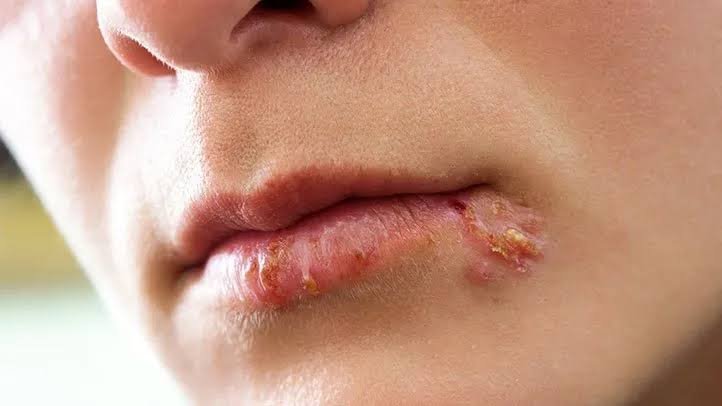
However, some viruses can remain hidden in the body for decades and reactivate later in life. One of the most common examples is the herpes simplex virus (HSV), which causes cold sores around the lips and mouth.
A Virus That Can Stay Silent for Years
After the initial infection, HSV often remains dormant inside nerve cells. During this period, a person may experience no symptoms at all and may not even realize the virus is still present. The virus can reactivate under certain conditions, including:
- Stress
- Fatigue
- Fever or illness
- Hormonal changes
- Excessive sun exposure
- A weakened immune system
When reactivated, the virus can cause painful blisters or sores, most commonly around the mouth and lips.
Why Cold Sores Are Contagious
Cold sores are highly contagious, especially when blisters are present. The virus can spread through:
- Kissing
- Oral sexual contact
- Sharing utensils, cups, towels, or lip products
- Direct skin-to-skin contact with an active sore
In some cases, transmission can occur even when no visible sore is present, although the risk is generally lower.
Because of this, health experts recommend avoiding intimate contact during active outbreaks and practicing good hygiene to reduce the risk of spreading the virus.
Early Signs of Reactivation
Many people experience warning signs before a visible sore appears. These may include:
- Tingling or burning around the lips
- Itching
- Mild pain or sensitivity
- Redness in a specific area
A blister typically develops within a day or two after these early symptoms begin.
When the Immune System Plays a Role
Medical specialists note that reactivation often occurs when the body’s natural defenses are under strain. Aging, chronic stress, lack of sleep, certain medications, and underlying illnesses may increase the likelihood of outbreaks.
Although cold sores are usually not dangerous for healthy adults, they can be more serious for newborns, individuals with weakened immune systems, or people undergoing certain medical treatments.
How to Reduce Outbreaks
While there is currently no cure that completely eliminates HSV from the body, several strategies may help reduce outbreaks:
- Get adequate sleep
- Manage stress levels
- Use sunscreen on the lips
- Maintain a healthy diet
- Stay hydrated
The Bottom Line
Cold sores are more than just a cosmetic annoyance. They are caused by a virus that can remain dormant for years and become active again when conditions allow.
Understanding the early symptoms, knowing how the virus spreads, and taking preventive measures can help reduce transmission and manage future outbreaks more effectively.