Sexually transmitted strains of Shigella are spreading more than twice as fast and becoming resistant to antibiotics, new research has warned.
What Is Shigella?
Shigella is a group of highly contagious bacteria that cause shigellosis, an intestinal infection also known as bacillary dysentery. It typically brings on severe diarrhoea (sometimes containing blood or mucus), stomach cramps, fever, nausea and vomiting. Symptoms usually begin one to three days after infection and last up to a week, though the illness can be more severe in young children, older adults and people with weakened immune systems.
The bacteria spread through the faecal-oral route — meaning even a tiny, invisible trace of infected faeces reaching the mouth can cause illness. Infection can occur from as few as around ten organisms, making Shigella far easier to pass on than many people realise. It spreads through contaminated food, contact with contaminated surfaces, and through sexual contact.
Why It Is Now a “Distinct Public Health Threat”
While traditionally linked to travel and food contamination, Shigella is increasingly recognised as a sexually transmitted infection (STI), particularly among gay, bisexual and other men who have sex with men (MSM). The two strains most commonly spread through sexual contact in England are Shigella sonnei and Shigella flexneri.
Cases Are Rising Sharply
UK Health Security Agency (UKHSA) figures show 2,560 sexually transmitted Shigella cases in England in 2025 — up from 2,318 in 2024 and 2,052 in 2023. Although most people recover within a week, the infection kills more than 200,000 people worldwide each year, mainly through dehydration, malnutrition or intestinal perforation.
Sexually Transmitted Strains Spread Faster
A study led by the University of Cambridge and the UKHSA analysed 3,514 Shigella samples from people over 16 in the UK collected between 2004 and 2020. Around 34% came from men who have sex with men, 36% were domestic cases unrelated to sexual transmission, and the rest were travel-related. Sexually transmitted strains spread more than twice as fast geographically — averaging around 117km over two and a half years, compared with roughly 46km for non-sexually transmitted strains.
Professor Kate Baker, senior author of the study, warned that many men who have sex with men are unaware of the growing risk, and that sexually transmitted shigellosis now needs its own surveillance, prevention and treatment strategies as a distinct public health threat.
The Growing Problem of Antibiotic Resistance
Health officials have flagged a serious and growing problem with antibiotic resistance, which is making Shigella harder to treat. Extensively drug-resistant (XDR) strains — resistant to all commonly recommended antibiotics — have been reported among men who have sex with men in the UK, the US and elsewhere. Resistance genes can transfer between Shigella species, allowing drug resistance to spread rapidly through affected sexual networks and raising the risk of infections that are difficult, or in some cases very hard, to treat effectively.
Symptoms to Watch For
- Sudden, frequent or explosive diarrhoea, which may contain blood or mucus
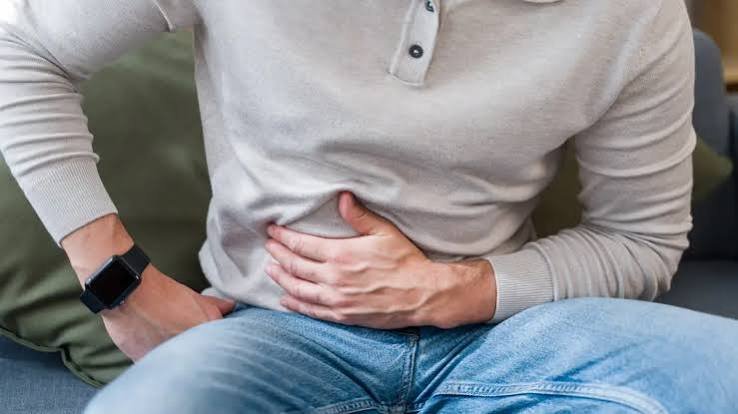
- Stomach cramps and abdominal pain
- Fever
- Nausea and vomiting
- Headache and loss of appetite
Some people carry and pass on the bacteria without ever feeling ill. Symptoms appearing shortly after sexual contact — particularly anal or oral-anal contact — should not be dismissed.
Advice From the Doctor
GP and medical adviser Dr Giuseppe Aragona said symptoms usually develop within a few days of exposure, and while many people recover within a week, the illness can be unpleasant and occasionally severe enough to require hospital treatment. Where Shigella may have been acquired through sexual contact, he advised avoiding sexual activity until symptoms have completely resolved and practising good hygiene before and after sex to prevent passing it on. Anyone with persistent symptoms, severe illness or concerns about sexual transmission should seek medical advice promptly, both to confirm the diagnosis and to reduce further spread.
How to Protect Yourself and Others
- Wash hands thoroughly with soap and water before and after sex, and after using the toilet — showering afterwards is even better
- Wash sex toys and douching equipment between uses; take care handling used condoms
- Avoid sexual activity until well after symptoms have cleared (guidance ranges from at least one week to two weeks after diarrhoea stops)
- Remember you can remain infectious for up to a month, even once you feel better
- Stay well hydrated; do not return to work, school or food handling until advised it is safe
- Do not share towels or face cloths, and wash laundry at a high temperature
When to Seek Help
If you think you may have Shigella, contact your GP or — if sexual transmission is possible — visit a sexual health clinic, explaining that you may have picked up a gut infection through sex so the right tests can be arranged. Mild cases often clear on their own with rest and fluids, but antibiotics may be needed for severe illness, bloody diarrhoea or complications. Because exposure through sex may also mean exposure to other STIs, a full sexual health check including an HIV test is generally recommended.