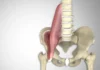
Sciatica has a way of turning everyday movements into challenges. Whether it’s sitting too long, getting out of bed, or simply walking, that sharp, radiating pain from the lower back down the leg can be hard to ignore. Add in tingling, numbness, or a burning sensation, and it’s easy to feel stuck.
The good news? Gentle, targeted movement can often help ease discomfort and improve mobility over time. While more severe or persistent cases should always be evaluated by a medical professional, light stretching is one of the safest and most effective ways many people begin managing symptoms at home.
Understanding Sciatica
Despite how common the term is, sciatica isn’t actually a condition—it’s a symptom. It happens when the sciatic nerve (the longest nerve in the body) becomes irritated or compressed. This nerve runs from your lower spine through your hips and down each leg.
Common causes include herniated discs, tight hip muscles (especially the piriformis), spinal narrowing, poor posture, or prolonged sitting. Typically, symptoms affect one side of the body and may improve within a few weeks with consistent, gentle care.
The key word here is gentle. The right kind of movement can reduce tension and pressure—but pushing too hard can make things worse.
Stretch 1: Seated Figure-Four (Piriformis Stretch)
This stretch targets the piriformis muscle, a small but important muscle deep in the hip that can press on the sciatic nerve when tight.
Sit with your legs extended, then cross one ankle over the opposite knee, forming a “figure-four” shape. Keeping your back straight, lean forward slightly until you feel a mild stretch in your glutes. Hold for 20–30 seconds, then switch sides.
If getting on the floor feels uncomfortable, you can do the same stretch sitting in a chair. It’s simple, controlled, and widely recommended for relieving hip tension.
Stretch 2: Knee-to-Chest for Lower Back Relief
This is a go-to stretch for gently easing pressure in the lower spine.
Lie on your back with your knees bent and feet flat. Slowly bring one knee toward your chest, holding it behind your thigh or around your shin—whatever feels most comfortable. Keep the other foot grounded or extend that leg if it doesn’t cause discomfort.
Hold for 20–30 seconds, then switch sides. If it feels good, you can try bringing both knees in—but only if there’s no strain or pinching.
This movement helps relax the lower back and can reduce irritation around the nerve.
Stretch 3: Child’s Pose for Gentle Release
Borrowed from yoga, Child’s Pose is a calming stretch that helps lengthen the spine and relax surrounding muscles.
Start by kneeling and sitting back on your heels. Fold your torso forward, extending your arms in front of you or resting them by your sides. Lower your chest and forehead toward the floor and breathe slowly.
Hold the position for 30 seconds to a minute. If needed, place a pillow under your hips or between your legs for support.
This stretch is especially helpful because it combines gentle movement with relaxation—something your body needs when dealing with nerve pain.
Move Carefully, Not Forcefully
When it comes to sciatica, more isn’t better—smarter is better. Stretches should feel mild and relieving, never sharp or intense. If something hurts, stop.
It’s also best to avoid deep forward bends, aggressive twisting, or toe-touching early on, as these can increase nerve irritation for some people.
If your symptoms worsen, last longer than a few weeks, or include weakness or loss of control, it’s important to seek medical advice.
Small Steps Toward Relief
Managing sciatica doesn’t require extreme routines or complicated exercises. Often, it’s about consistency, patience, and listening to your body.
With gentle stretching and mindful movement, many people find they can reduce discomfort, improve flexibility, and slowly return to the activities they enjoy—one small step at a time.