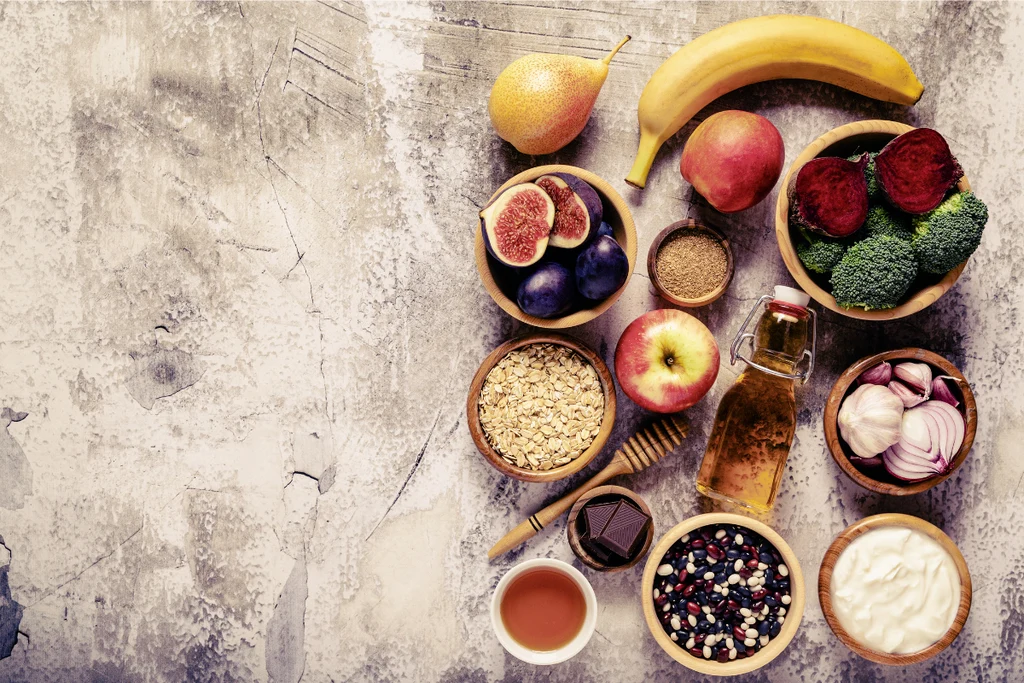
Your colon already knows how to clean itself — what it needs from you is the right fuel. These 12 everyday foods help it do that job properly.
How Your Colon Really Cleans Itself
Before the list, one thing worth knowing: your colon isn’t a clogged pipe waiting to be flushed. It’s a working organ that clears itself continuously, supported by your liver and kidneys. What genuinely helps it isn’t a harsh cleanse or a detox kit — it’s fibre, fluid, and a healthy population of gut bacteria.
Fibre is the real hero here. Insoluble fibre adds bulk and speeds things along, reducing the time waste sits in the colon. Soluble fibre feeds beneficial gut bacteria, which in turn produce short-chain fatty acids that nourish the cells lining your colon wall. Most people eat far less fibre than they need — the recommended intake is around 25 to 30 grams a day, and typical intake is often half that. The foods below are simply the best natural sources of what your colon is asking for.
The 12 Foods Your Colon Loves
1. Apples
Apples are rich in pectin, a soluble fibre that feeds good gut bacteria and helps regulate bowel movements — easing both constipation and loose stools. Eat them with the skin on, where much of the fibre lives.
2. Flaxseeds
Ground flaxseeds deliver a powerful combination of soluble and insoluble fibre plus omega-3 fats. A tablespoon or two stirred into porridge or yoghurt is one of the simplest ways to add real fibre to your day. Grind them — whole seeds pass straight through.
3. Chia Seeds
Chia seeds absorb many times their weight in water, forming a gel that softens stool and eases its passage. Always take them with plenty of fluid, which is exactly how they do their work.
4. Leafy Greens
Spinach, kale, and other leafy greens provide insoluble fibre, magnesium, and folate. Magnesium in particular helps draw water into the bowel and supports the muscle contractions that move waste along.
5. Broccoli and Cruciferous Vegetables
Broccoli, cauliflower, cabbage, and Brussels sprouts are high in fibre and contain sulphur compounds studied for their protective effects on the digestive tract. Lightly steaming preserves more of their benefit than boiling.
6. Beans and Lentils
Among the richest fibre sources available — a single cup of lentils delivers around 15 grams, over half the daily target. They’re also packed with resistant starch, which feeds beneficial bacteria in the colon. Increase them gradually to avoid bloating.
7. Oats
Oats contain beta-glucan, a soluble fibre that forms a gel in the digestive tract, supports regularity, and feeds the gut microbiome. A bowl of porridge is one of the easiest fibre wins of the day.
8. Avocado
Avocados combine fibre with healthy monounsaturated fats, helping keep things moving smoothly while supporting nutrient absorption. Half an avocado provides roughly 5 grams of fibre.
9. Berries
Raspberries are the standout, with around 8 grams of fibre per cup — one of the highest of any fruit. Berries also deliver antioxidants that help protect the cells lining the digestive tract.
10. Yoghurt and Kefir
Fermented dairy provides live probiotic cultures that help maintain a balanced gut microbiome, which supports both regularity and the health of the colon lining. Look for products listing live or active cultures.
11. Prunes
The classic remedy earns its reputation. Prunes contain fibre plus sorbitol, a natural sugar alcohol that draws water into the bowel — research consistently supports them for relieving constipation.
12. Ginger
Ginger helps stimulate digestion and encourages food to move through the stomach and intestines, while easing bloating and nausea. It works well as a tea or grated into cooking.
Don’t Forget Water
Fibre without fluid can actually make constipation worse, not better. As you increase fibre, increase your water intake alongside it — aim for six to eight glasses a day, more in hot weather or with exercise. Water is what allows fibre to soften and bulk stool properly.
A Word on “Colon Cleanses” and Detox Products
It’s worth being clear about this: colonic irrigation, detox teas, and harsh laxative cleanses aren’t supported by good evidence, and they carry real risks — dehydration, electrolyte imbalance, disruption of healthy gut bacteria, and, with repeated laxative use, a bowel that becomes dependent on them. There is no build-up of “toxic sludge” that needs flushing out. A fibre-rich diet, plenty of water, and regular movement do far more for your colon than any product marketed as a cleanse.
When to See a Doctor
Diet supports colon health, but some symptoms need proper assessment. See a doctor if you notice blood in your stool, a persistent change in bowel habits lasting more than a couple of weeks, unexplained weight loss, ongoing abdominal pain, or narrow, pencil-thin stools. Also worth knowing: routine colorectal cancer screening is recommended from age 45 for people at average risk, and earlier if you have a family history. Screening catches problems long before symptoms appear — which is the single most effective thing you can do for your colon.