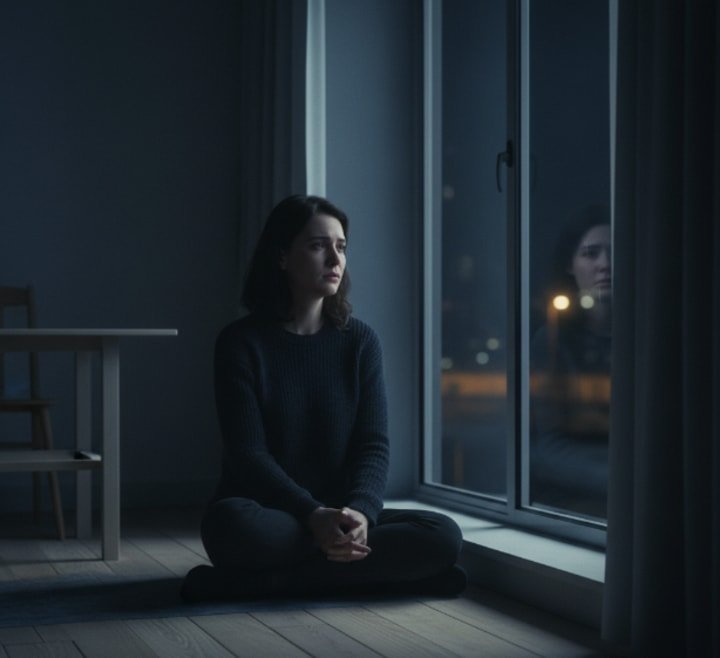
Not everyone reacts to emotional pain with anger, tears, or confrontation. Some people become unusually quiet when they are deeply hurt. They stop explaining themselves, avoid arguments, withdraw emotionally, or disappear into silence completely.
To outsiders, this silence may seem cold, confusing, or emotionally distant. But psychologically, silence is often a defense mechanism rather than a lack of feelings. In many cases, the quietest people are carrying the deepest emotional pain internally.
1. Silence Can Be a Protective Defense Mechanism
Psychologists explain that many people withdraw emotionally when they feel overwhelmed, rejected, criticized, or emotionally unsafe.
Instead of expressing pain openly, the brain may choose silence as a way to avoid further emotional damage. For some individuals, staying quiet feels safer than risking conflict, rejection, or vulnerability.
2. Some People Fear Being Misunderstood
People who have repeatedly felt ignored, invalidated, or misunderstood may eventually stop expressing their emotions openly.
Over time, they may believe explaining their feelings will not change anything, so silence becomes easier than trying to be understood again.
3. Emotional Shutdown Is Sometimes Linked to Stress
When emotions become too intense, the nervous system can enter a “shutdown” response.
Instead of fighting or arguing, some individuals mentally and emotionally withdraw to protect themselves from emotional overload.
This response is especially common in highly sensitive people or individuals who struggle with emotional anxiety.
4. Childhood Experiences Often Shape This Behavior
People who grew up in emotionally critical, unpredictable, or emotionally unsafe environments may learn early in life that expressing feelings leads to punishment, conflict, or rejection.
As adults, they may continue using silence as a survival strategy even in healthier relationships.
5. Silence Does Not Always Mean Lack of Care
Some people assume silence means someone no longer cares, but that is not always true.
In reality, deeply hurt people may stay quiet precisely because they care too much and do not know how to process the pain emotionally.
Their silence may reflect emotional exhaustion rather than indifference.
6. Some People Need Time to Process Emotions Internally
Not everyone processes emotions immediately through conversation.
Some individuals need time alone to think, calm down, and understand their emotions before they feel ready to speak.
For these people, silence can be part of emotional regulation rather than emotional avoidance.
7. They May Want to Avoid Saying Something Hurtful
When emotions are intense, some people intentionally stay quiet to avoid reacting impulsively.
Instead of arguing aggressively or saying things they may regret later, they choose temporary silence until emotions settle.
8. Emotional Exhaustion Can Lead to Withdrawal
After repeated disappointment, emotional conflict, or feeling emotionally unheard, some people eventually become emotionally tired.
At that point, silence becomes less about the current situation and more about accumulated emotional fatigue.
When Silence Becomes Unhealthy
While temporary withdrawal can be normal, constant emotional shutdown can damage relationships if communication completely disappears.
Healthy emotional connection still requires honesty, openness, and communication over time.
How to Support Someone Who Goes Silent When Hurt
- Stay calm and avoid aggressive confrontation.
- Give them emotional space if needed.
- Encourage safe and respectful communication.
- Avoid mocking or dismissing their feelings.
- Be patient without forcing immediate responses.
Final Thoughts
Silence is often misunderstood. For many people, becoming quiet during emotional pain is not weakness, manipulation, or lack of care. It is a psychological response shaped by personality, emotional experiences, stress, and past wounds.
Understanding this behavior with empathy can help create healthier communication, deeper emotional connection, and more compassionate relationships.