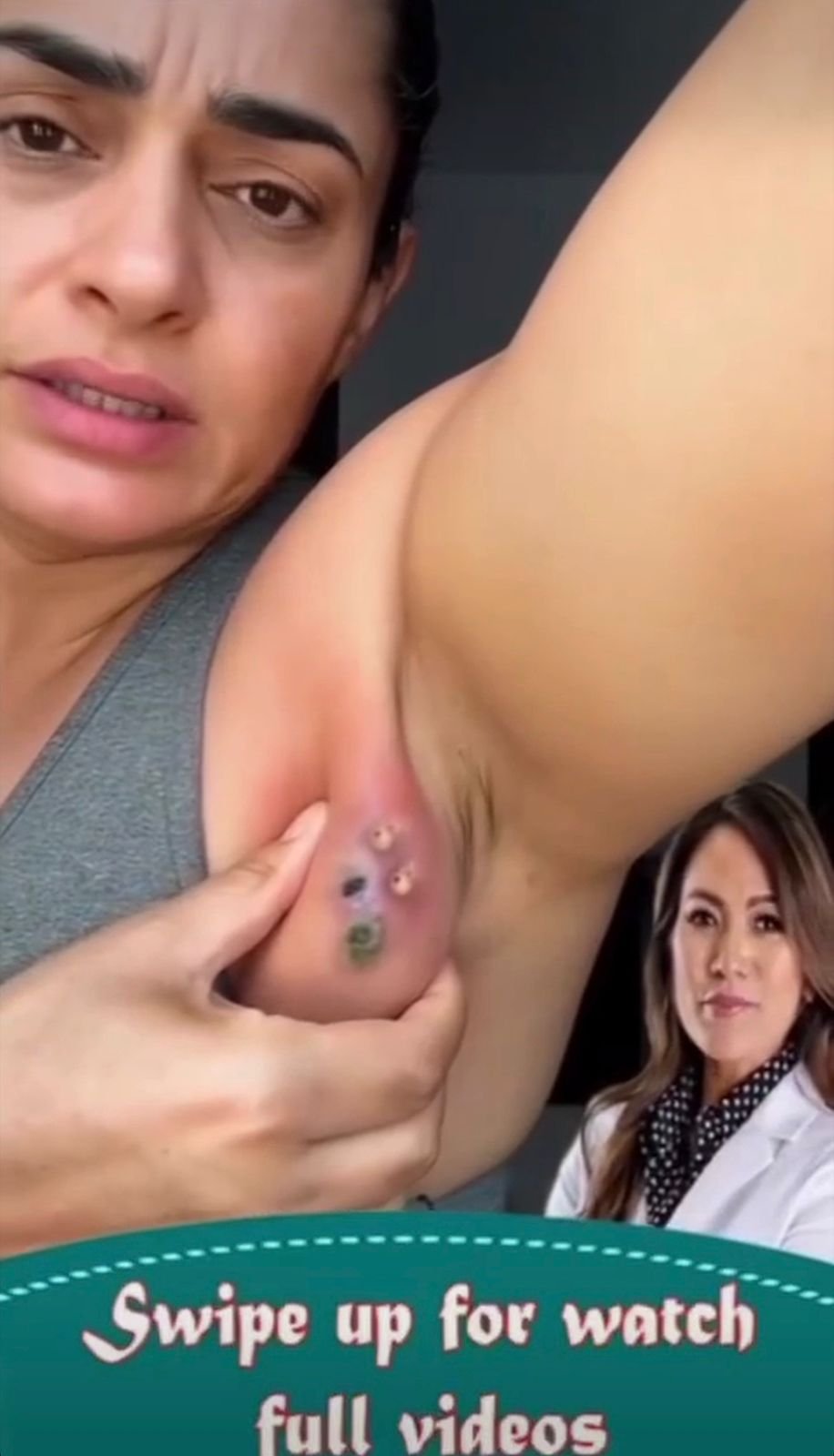
Severe acne requires a dermatologist’s care, as at-home products are often ineffective and professional treatment is needed to prevent scarring. A dermatologist can offer prescription-strength topicals, oral antibiotics, or other options like Isotretinoin for the most severe cases. While waiting for an appointment, avoid squeezing blemishes and keep the skin clean with a gentle cleanser and lukewarm water, washing only once or twice daily.
When to see a dermatologist
- Severe acne often involves painful cysts and nodules, can cover large areas, and may lead to scarring.
- Over-the-counter treatments are typically not enough to clear severe acne.
- A dermatologist can recommend a professional treatment plan to minimize scarring and control breakouts.
Professional treatments a dermatologist may offer
- Prescription topicals: Stronger lotions, gels, or creams, such as retinoids or benzoyl peroxide.
- Oral antibiotics: Tablets taken by mouth to reduce bacteria and inflammation, often used with a topical treatment.
- Isotretinoin: A powerful oral medication used for severe, stubborn acne.
- Hormonal therapy: For women, hormonal treatments like birth control pills can help manage acne.
- In-office procedures: Such as injecting large cysts with a corticosteroid or performing incision and drainage for cysts.
- Other therapies: Laser and light therapies can also be used.
At-home care to support treatment
- Wash your face gently once or twice a day with lukewarm water and a mild cleanser, and avoid scrubbing.
- Do not pick, pop, or squeeze blemishes to prevent scarring.
- Remove all makeup before going to bed.
- Use oil-free, non-comedogenic (non-pore-clogging) skin care and makeup products.
- Avoid harsh products with alcohol or strong exfoliants, which can irritate the skin.