Most colon polyps cause no symptoms at all — but when warning signs do appear during bowel movements, they deserve urgent attention. Here’s what to watch for and why acting fast matters.
What Are Colon Polyps and Why Do They Matter?
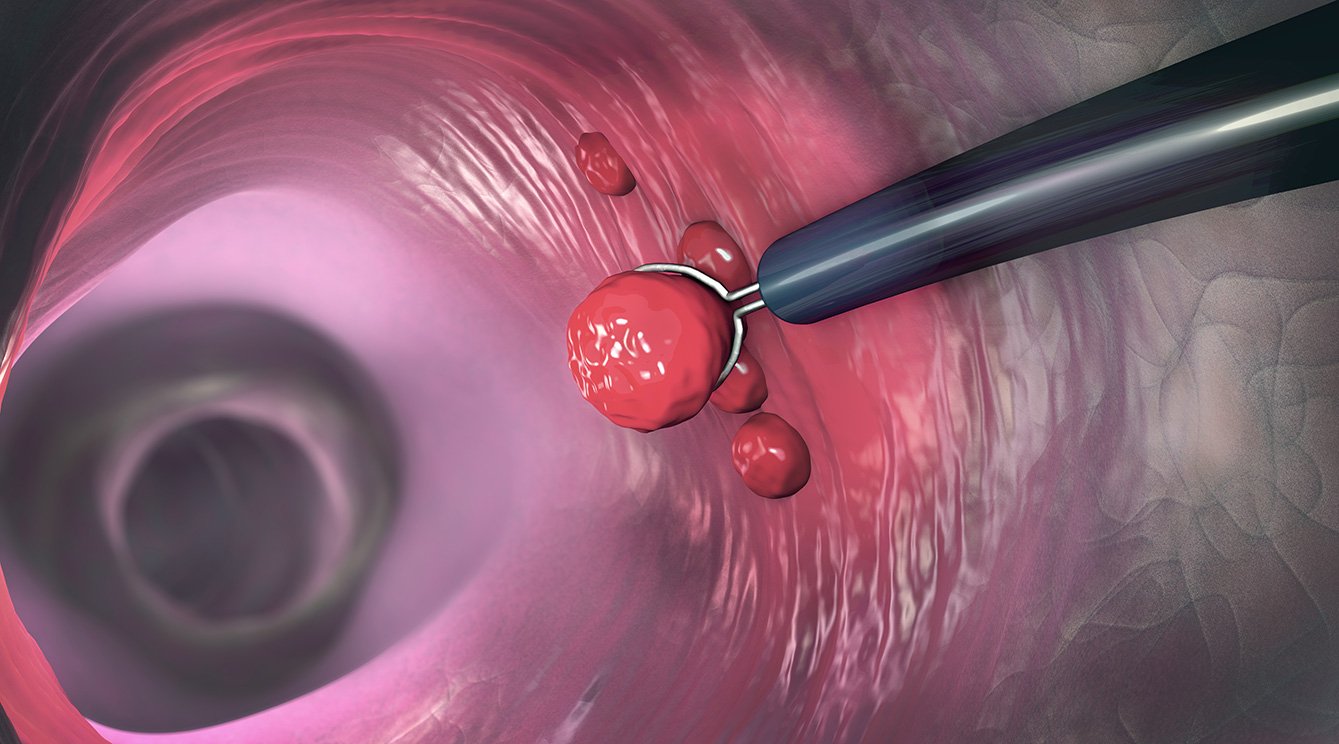
Colon polyps are small clumps of cells that grow on the inner lining of the colon or rectum. They’re more common than most people realise — affecting between 15 and 40 percent of adults over the age of 50. The vast majority are harmless. But certain types, particularly adenomatous polyps (adenomas), have the potential to turn cancerous over time. An average-size polyp left untreated carries roughly an 8% chance of becoming cancerous within 10 years, and up to 24% within 20 years.
The problem is that colon polyps are usually silent. Most people with them feel nothing unusual. However, when polyps do cause symptoms — especially during bowel movements — those symptoms are the body’s way of raising an alarm that should never be brushed aside.
The 4 Bowel Movement Warning Symptoms to Never Ignore
1. Blood In or On Your Stool
This is one of the most important warning signs. Blood may show up as bright red streaks on the toilet paper, red smears visible in the toilet bowl, or as stool that looks black and tar-like — the latter indicating blood that has come from higher up in the digestive tract. While haemorrhoids and small tears are more common causes of rectal bleeding, bleeding that is persistent, unexplained or accompanied by other symptoms on this list should be assessed by a doctor without delay. Never assume bleeding is “just haemorrhoids” without a proper examination.
2. A Persistent Change in Bowel Habits
Any lasting change in your usual bowel pattern — diarrhoea, constipation, or alternating between the two — that continues for more than a week or two warrants medical attention. Larger polyps can partially obstruct the colon, disrupting the normal passage of stool and triggering these changes. A change in stool consistency also counts: stool that has become unusually loose, hard or fragmented is worth noting.
3. Narrow or “Pencil-Thin” Stools
A sudden change in stool shape — particularly stools that are long, flat and narrow, sometimes described as pencil-thin — can mean something in the colon is pressing on or partially blocking the passage of stool. Gastroenterologists consider this one of the more specific warning signs associated with colorectal changes, especially when it happens suddenly and doesn’t resolve. If your stools have changed shape and stayed that way for more than a few days, see a doctor.
4. A Feeling of Incomplete Emptying
A persistent sense that you haven’t fully emptied your bowels after going to the toilet — sometimes called tenesmus — can indicate that a polyp or growth is occupying space in the rectum or lower colon, creating a constant sensation of fullness or pressure. This is particularly worth acting on if it’s new, doesn’t go away, or accompanies any of the other symptoms above.
Other Signs That May Accompany These Symptoms
Beyond what happens during bowel movements, watch for unexplained fatigue, breathlessness or pale skin — these can indicate iron-deficiency anaemia caused by slow, chronic bleeding from a polyp. Abdominal cramping, bloating or pain that doesn’t have an obvious explanation is also worth discussing with a doctor, particularly if it’s new or worsening.
Who Is Most at Risk?
- Adults aged 45 and over — risk rises significantly with age
- Anyone with a family history of colon polyps or colorectal cancer
- People with inflammatory bowel disease (Crohn’s disease or ulcerative colitis)
- Smokers and heavy drinkers
- People who are overweight or obese
- Those with genetic syndromes such as Familial Adenomatous Polyposis (FAP) or Lynch syndrome
Why Screening Is the Most Important Step You Can Take
Because most colon polyps cause no symptoms, waiting to feel something before getting checked means many polyps will never be caught until they become a much bigger problem. The American Cancer Society recommends that average-risk adults begin regular colorectal cancer screening at age 45. Those with a family history or other risk factors may need to start earlier.
A colonoscopy is the gold standard — it allows a doctor to examine the full lining of the colon and remove polyps on the spot before they ever get a chance to become cancerous. Other options include stool-based tests and CT colonography, depending on your circumstances and medical history. If you notice any of the four warning symptoms above, don’t wait for your routine screening date — contact a doctor and ask about being seen sooner.
The Bottom Line
Colon polyps are common, and most are harmless. But the ones that aren’t can be silently progressing toward cancer while you feel perfectly well. If your body is sending signals — especially during bowel movements — those signals deserve to be taken seriously. Early detection and removal of polyps can prevent colorectal cancer almost entirely. Don’t ignore the warning signs, and don’t delay getting checked.