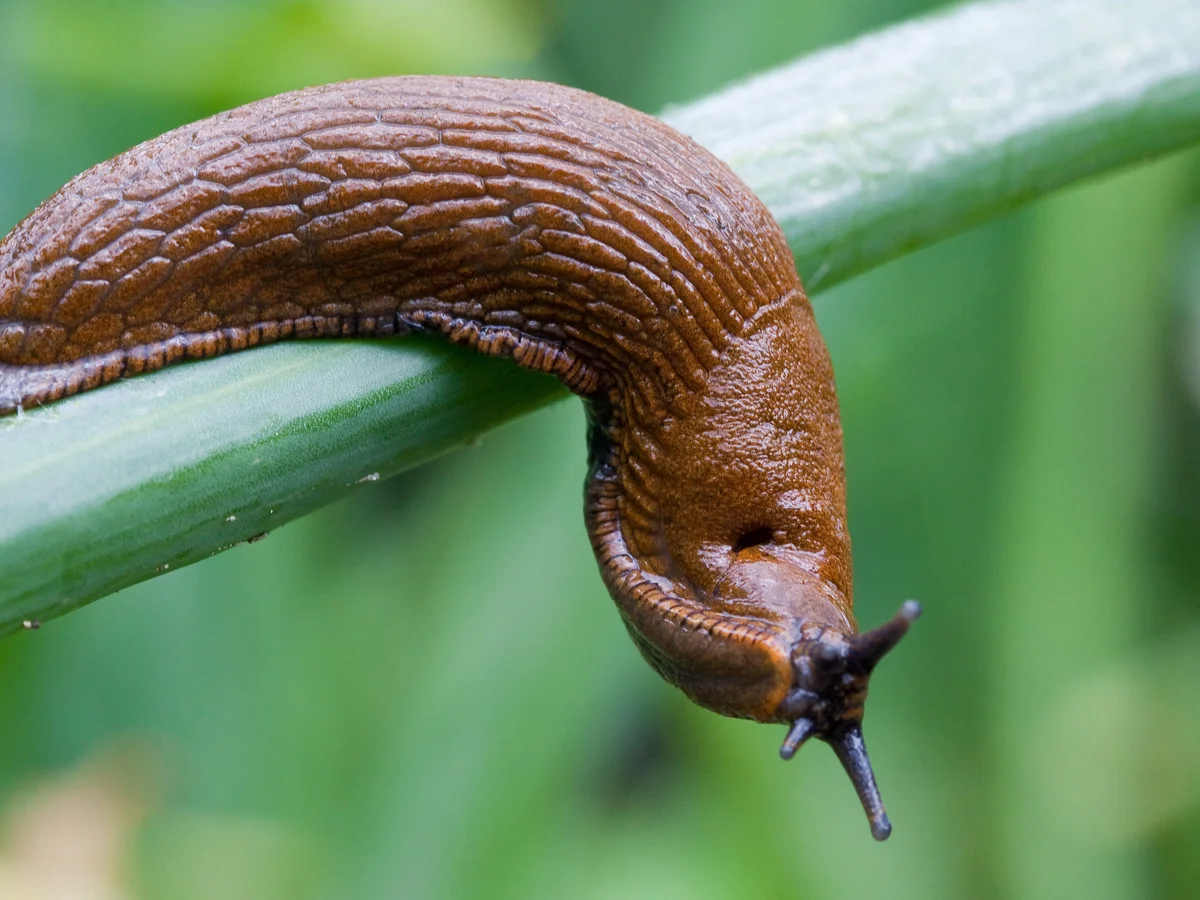
Almost everyone recoils at the sight of a slug — but this slow, slimy visitor is quietly one of nature’s most underrated workers.
Not Just a Pest at Your Door
Find a slug on your kitchen floor after a rainy night and the instinct is usually disgust, followed by a swift trip outside with a piece of paper. Slugs have a reputation as slimy, unwelcome intruders — but that reputation sells them badly short. Beneath the slime is an animal that quietly does real work in the natural world, several jobs most people never think about.
Nature’s Quiet Recyclers
Much of a slug’s value happens out of sight. They feed on decaying leaves, fungi, and other dead organic material, breaking it down and returning nutrients to the soil. That recycling keeps gardens, forests, and wider ecosystems healthy, allowing plants to take up minerals they need to grow. Slugs move painfully slowly, but they work at it constantly — without decomposers like them, dead plant matter would pile up far faster than it currently does.
An Important Link in the Food Chain
Slugs are also dinner for a surprising number of animals. Birds, frogs, hedgehogs, beetles, and even some small mammals rely on them as a regular food source. Because they sit in the middle of that chain, removing slugs from an area doesn’t just affect the slugs — it ripples outward to everything that eats them. Every creature, however unpopular, tends to be holding up something else in the system.
The Unexpected Science in Slug Slime
The slime itself, so off-putting to most people, is where things get genuinely interesting. Researchers have been studying compounds found in slug mucus for antimicrobial, anti-inflammatory, and tissue-repairing properties. It’s very early-stage research, and there’s a long way to go before anything reaches a pharmacy shelf, but scientists see real potential for future applications in wound care and skincare. It wouldn’t be the first time an unlikely creature pointed toward a medical breakthrough.
What Slugs Are Teaching Us About the Brain
Slugs also turn out to be useful in neuroscience. Their nervous systems are much simpler than ours, which makes them easier to study — researchers use them to understand how nerve cells communicate and how learning and memory form at a basic level. It’s a small piece of a much bigger scientific puzzle, but findings from slug research have genuinely fed into our broader understanding of how brains work.
Why a Slug Actually Ends Up Indoors
If one turns up in your house, there’s usually nothing mysterious about it — slugs are looking for moisture, shelter, or food, and they’re most active after rain or in humid conditions. They can squeeze through gaps far smaller than you’d expect, including under doors and around window frames. If they keep showing up, it’s worth checking your home for damp patches, small leaks, or unsealed entry points that are giving them easy access.
A Small Creature, a Bigger Role Than You’d Think
Slugs will probably never win a popularity contest, but they’re doing more for the world outside your door than most people realise — recycling nutrients, feeding wildlife, and even contributing, in small ways, to scientific progress. Next time one turns up on your kitchen floor, you might still scoop it up and set it back outside. But it’s worth a moment’s appreciation on the way out.