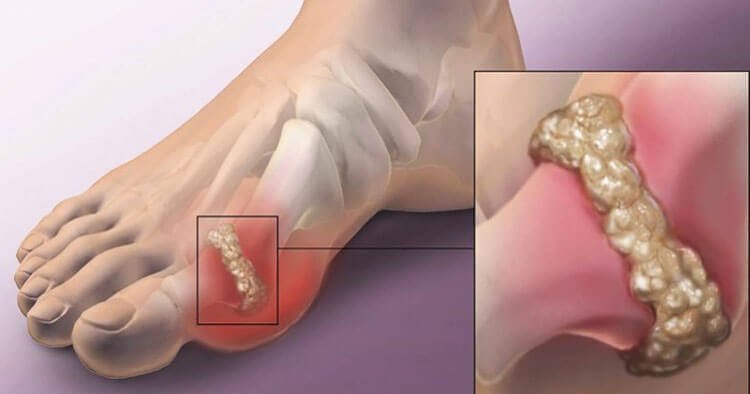
Uric acid is a natural waste product formed when the body breaks down purines, which are found in certain foods and drinks. Normally, uric acid dissolves in the blood and is removed through the kidneys. However, when levels become too high, it can form sharp crystals in joints, leading to a painful condition known as gout.
While there is no instant “quick fix” to completely remove uric acid crystals overnight, certain lifestyle and dietary changes can help reduce uric acid levels, support kidney function, and lower the risk of painful flare-ups.
Understanding uric acid buildup in the body
Uric acid buildup occurs when the body produces too much or when the kidneys are unable to remove it efficiently. This imbalance leads to crystal formation, often affecting joints such as the toes, ankles, knees, and fingers.
Factors such as diet, dehydration, obesity, genetics, and certain medical conditions can increase uric acid levels in the blood.
Increase water intake to support kidney filtration
One of the most effective ways to help reduce uric acid concentration is to drink more water. Proper hydration supports kidney function and helps flush excess uric acid out of the body through urine.
When the body is dehydrated, uric acid becomes more concentrated, increasing the risk of crystal formation in joints.
Reduce high-purine foods that increase uric acid production
Foods high in purines can contribute to increased uric acid levels. Limiting or avoiding these foods may help reduce flare-ups and long-term buildup.
- Red meat and organ meats
- Certain seafood such as sardines and shellfish
- Processed meats
- Alcohol, especially beer
Moderation is key, as completely eliminating all purine-containing foods is not necessary for most people.
Include more alkaline and hydrating foods in your diet
Foods rich in water content and those that support a more balanced internal environment may help reduce uric acid concentration. Fruits and vegetables also provide antioxidants that support overall joint health.
- Cucumber
- Lemon
- Watermelon
- Celery
- Leafy greens
Maintain a healthy body weight to reduce pressure on joints
Excess body weight increases uric acid production and reduces the kidneys’ ability to eliminate it efficiently. Weight management through balanced nutrition and regular activity can significantly reduce the risk of gout attacks.
Even gradual weight loss can improve uric acid levels and joint comfort over time.
Limit alcohol consumption, especially beer and sugary drinks
Alcohol can interfere with uric acid elimination and increase production in the body. Beer is particularly associated with higher purine levels. Sugary beverages may also increase uric acid through metabolic changes.
Improve kidney health through daily habits
Since kidneys are responsible for removing uric acid, supporting kidney health is essential. Staying hydrated, avoiding unnecessary medications, and managing blood pressure and blood sugar all contribute to better uric acid control.
Consider natural anti-inflammatory foods
Chronic inflammation can worsen joint pain during gout flare-ups. Foods with anti-inflammatory properties may help reduce discomfort.
- Turmeric
- Ginger
- Olive oil
- Nuts
- Fatty fish (in moderation)
When to seek medical treatment
If uric acid levels remain high or gout attacks become frequent, medical treatment may be necessary. Doctors may prescribe medications to reduce uric acid production or improve elimination from the body.
Persistent joint pain, swelling, or redness should not be ignored, as untreated gout can lead to long-term joint damage.
Final thoughts
Reducing uric acid crystallization is not about instant removal but about consistent lifestyle changes that support kidney function and reduce production over time. A balanced diet, proper hydration, and healthy habits play the most important role in preventing gout and joint pain.