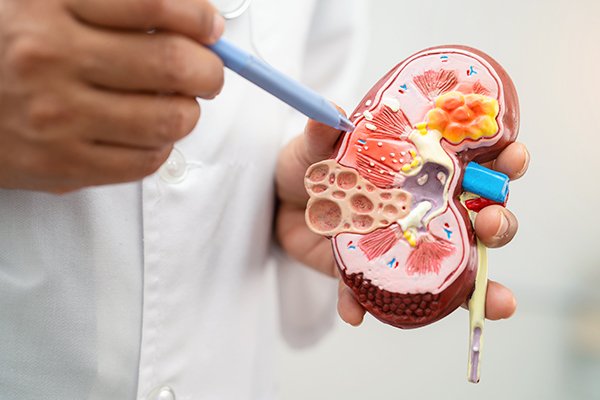
The kidneys are essential organs responsible for filtering waste, balancing fluids, regulating blood pressure, and supporting overall health. Because they work continuously, they are highly sensitive to long-term lifestyle habits. Many people unintentionally harm their kidneys through daily routines that seem harmless at first.
Understanding these habits can help reduce the risk of kidney disease and support long-term health. Small changes in lifestyle can make a significant difference in protecting kidney function.
1. Not Drinking Enough Water Throughout the Day
Chronic dehydration forces the kidneys to work harder to filter waste. Over time, insufficient water intake can increase the risk of kidney stones and reduce overall kidney efficiency. Proper hydration helps flush toxins and supports normal kidney function.
2. Consuming Too Much Salt in Daily Meals and Processed Foods
High sodium intake increases blood pressure, which directly puts strain on the kidneys. Processed foods, snacks, and fast food are major hidden sources of excess salt that can gradually damage kidney health.
3. Frequent Use of Painkillers Without Medical Guidance
Overuse of certain pain medications, especially non-steroidal anti-inflammatory drugs (NSAIDs), can reduce blood flow to the kidneys when taken regularly. Long-term misuse may lead to kidney damage or reduced function.
4. Holding Urine for Long Periods Instead of Emptying the Bladder Regularly
Regularly delaying urination increases pressure in the urinary system. This habit can contribute to infections and may indirectly affect kidney health over time.
5. Excessive Consumption of Sugary Drinks and Processed Beverages
High sugar intake is linked to obesity and diabetes, both of which are major risk factors for kidney disease. Soft drinks and sweetened beverages add unnecessary strain on metabolic health.
6. Eating a High-Protein Diet Without Balance or Medical Need
Very high protein intake can increase the workload on the kidneys as they filter protein waste byproducts. While protein is essential, excessive intake over long periods may stress kidney function in some individuals.
7. Smoking Regularly and Exposing the Body to Toxins
Smoking reduces blood flow to many organs, including the kidneys. It also increases the risk of kidney disease progression and worsens existing kidney conditions.
8. Excessive Alcohol Consumption Over Time
Alcohol can dehydrate the body and interfere with kidney function. Long-term heavy drinking may contribute to high blood pressure and liver-related complications that indirectly affect the kidneys.
9. Ignoring High Blood Pressure and Not Managing It Properly
Uncontrolled blood pressure is one of the leading causes of kidney damage. The kidneys rely on healthy blood flow, and persistent hypertension can slowly reduce their ability to function properly.
10. Poor Blood Sugar Control in Diabetic Individuals
High blood sugar levels damage small blood vessels in the kidneys over time. This condition, known as diabetic nephropathy, is a major cause of chronic kidney disease worldwide.
11. Lack of Physical Activity and a Sedentary Lifestyle
A sedentary lifestyle increases the risk of obesity, diabetes, and high blood pressure—all of which negatively impact kidney health. Regular movement supports healthy circulation and organ function.
Final Thoughts
Kidney damage often develops slowly and without obvious early symptoms. Many of the risks come from long-term habits rather than sudden illness. By improving hydration, diet, lifestyle, and medical awareness, it is possible to significantly reduce the risk of kidney-related problems.