Kids ask all sorts of questions, many of which catch adults off guard. It’s not that the questions are difficult, but because they are so simple that most of us haven’t even thought about asking them.
A parent shared a funny moment online of their daughter wondering what the “T” in “T-shirt” stands for. The parent admitted they had no idea, and honestly, most people don’t know the answer either. So, have you ever though about this word?
Most of us wear T-shirts daily since it’s one of the most common pieces of clothing anywhere in the world. We sleep in them, exercise in them, wear them to school, at work, to the store, you name it. Yet most of us never stop to think about why they are called T-shirts in the first place.
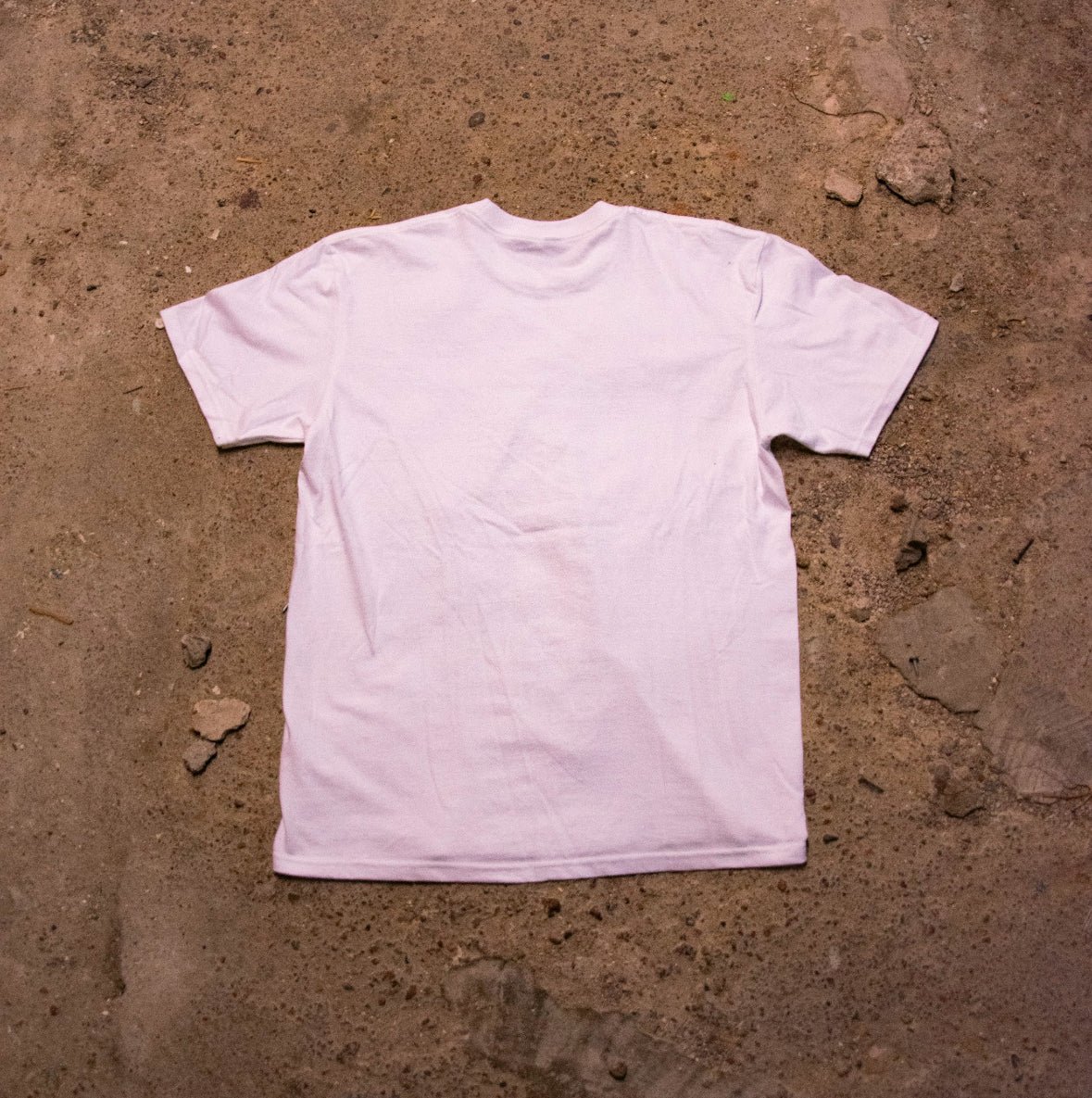
The answer to this question may surprise you because it’s incredibly simple. The “T” refers to the shape of the shirt itself.
If you lay a basic T-shirt flat on a bed or table, the body hangs straight down while the sleeves stretch out sideways. Together, they form the shape of a capital letter “T.” That’s really all there is to it.
Most people think the “T” must mean some more complex term. Some suggestions include “training shirt,” “team shirt,” or even “textile shirt.” However, the name is pretty straightforward because it describes the shape. Once it is brought to our attention, everything seems crystal clear.
One aspect that makes this particular topic so fascinating is the way it serves as a reminder of all the secrets that language contains. Many everyday words were created in simple, practical ways, but over time we stop noticing them.
“T-shirt,” as we now know, belongs to a group of words named after shapes. Another famous example is the “V-neck,” which gets its name from the V-shaped neckline. Even the word “croissant” comes from the French word for “crescent,” because the pastry looks like a crescent moon.
People tend to name things visually if there is some resemblance between the thing and an image, shape, or an idea. The T-shirt itself also has a surprisingly interesting history. At first, T-shirts had nothing to do with fashion.
They were invented in the last decades of the 19th century and used as underclothing by laborers and military men. They were lightweight, easy to wash, and much more comfortable than heavier shirts with stiff collars and buttons.
Back then, going out in just a T-shirt was too informal, something equivalent to parading around in your underwear. However, people started wearing them outside due to their utility and comfort.
Fortunately, Hollywood did its part in changing the situation for good. Actors in old films started wearing plain white T-shirts in a confident, effortless way that audiences loved. Suddenly, the simple undershirt became stylish. Teenagers especially embraced the look because it felt relaxed and rebellious compared to formal clothing.
By the 1950s and 1960s, however, the T-shirt was already a fashion staple.
Next came printed T-shirts, and things changed yet again. Instead of being just clothing, T-shirts became a way to express personality. People started wearing shirts with band logos, funny sayings, sports teams, political messages, and artwork.
Nowadays, you can learn a lot about someone based on the T-shirt they wear. Some people wear big, retro T-shirts. Others like snug T-shirts that are solid colors. Some collect graphic tees from concerts or vacations. A T-shirt can be cheap and simple or expensive and designer-made.
There are very few clothes that can be considered as universal as the legendary T-shirt. Youngsters wear them, grandparents wear them. You will find them in practically every culture out there. What’s also fascinating is how many English words are built in simple descriptive ways like “T-shirt.”
For example, the word “breakfast” literally means to break a fast, the fast the body goes through while we are asleep. “Keyboard” means nothing more than a key board. A “notebook” is a book for taking down notes.
Even the word “cupcake” is exactly what it sounds like: a small cake originally baked in a cup. Once you understand this logic of formation, language seems no longer mysterious but creative.
English especially is fond of combining words together. Such words are called compounds by linguists. Some of them are quite clear such as “sunflower” or “toothbrush,” but some lose their meaning as time passes and become part of our vocabulary.
There are even words that were created by mistake, misunderstanding, or funny habits. For instance, the word “nickname” originated from “an ekename,” meaning “an additional name.” However, there were some mistakes when people separated the phrase that gradually led to the formation of “a nickname.”
The word “goodbye” was derived from the phrase “God be with ye” and gradually evolved into its current form over many centuries.
Even “jeans” has an interesting story. The fabric originally came from Genoa, Italy, and the French referred to it as “Genes,” which eventually turned into “jeans” in English.
Language evolve constantly because people simplify words, shorten phrases, and create names based on convenience.
That is precisely what happened with the T-shirt. No one tried to come up with a fancy fashion terminology for this particular item. Rather, they observed that it resembled the letter “T” and that was it.
What makes children’s questions so great is that they force adults to notice ordinary things again. Adults often move through life on autopilot, using words without thinking about where they came from. Kids on the other hand don’t do that.
A kid will wonder why hamburgers are known as such when they are made out of beef instead of ham. Or wonder why we park in driveways and drive in parkways. The simplicity of a question brings out just how peculiar language can be.
There may or may not be a reason behind the answer. But these are just some examples of the little mysteries that are right there before our eyes during daily activities.
When wearing T-shirts, it will be very hard for one to overlook its shape once they realize it. Funny thing about language; one can ask a question and have their perception of something altered for good. These questions always bring about the best results anyway.