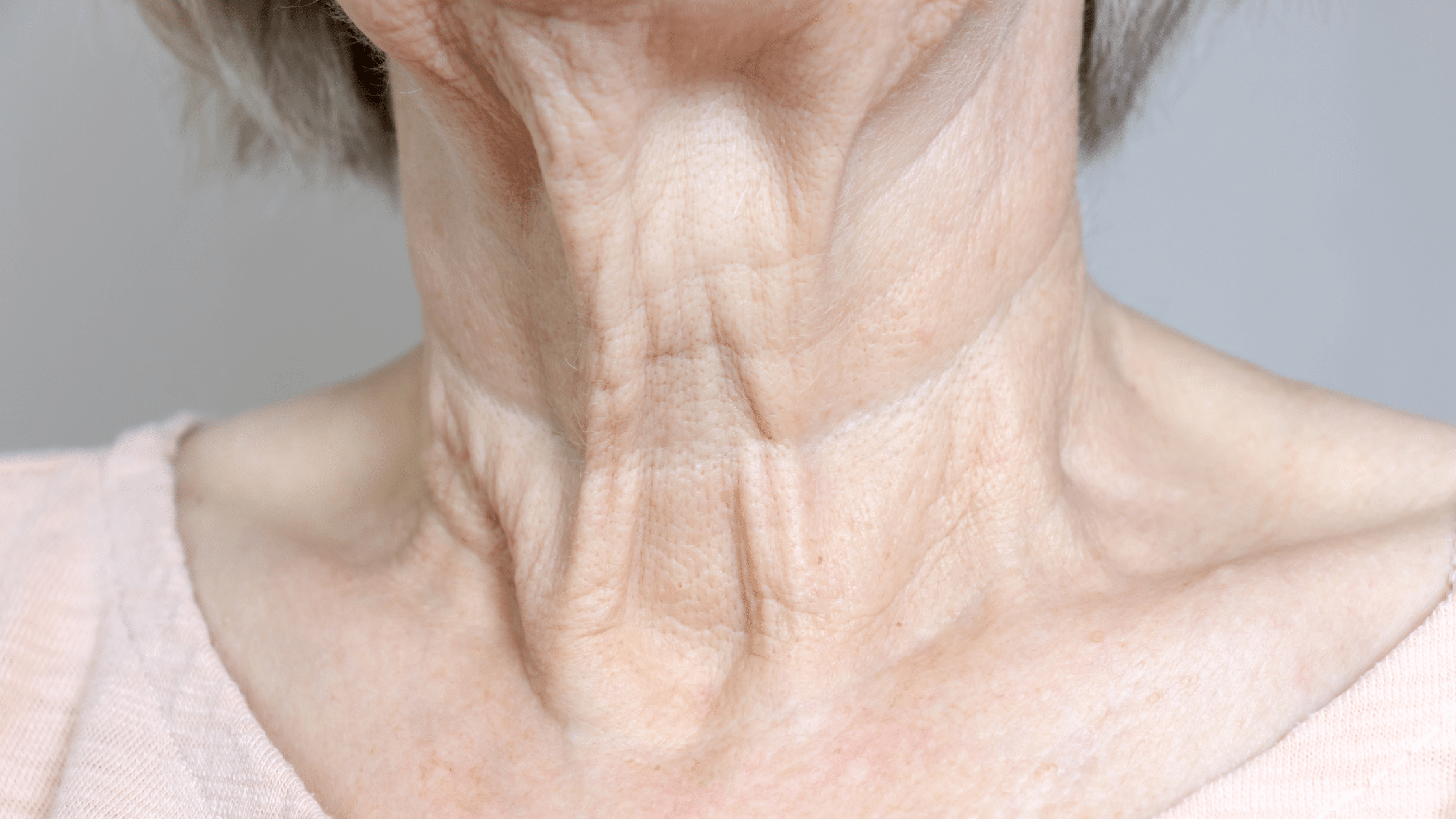
Aging is a natural part of life—but some changes tend to show up more noticeably than others. One of the first areas where time makes its mark is the neck.
Often overlooked in daily skincare routines, the neck can reveal signs of aging earlier than the face, from fine lines to sagging skin.
Why the Neck Ages Faster
The skin on the neck is thinner and more delicate than facial skin, which makes it especially vulnerable. It contains fewer oil glands and less collagen—two essential elements that help keep skin smooth, firm, and hydrated.
Without this built-in support, the neck is more prone to dryness, wrinkles, and a gradual loss of elasticity.
Over time, this natural fragility becomes more visible. What starts as subtle lines can eventually develop into deeper creases and looser skin.
The Science Behind Sagging Skin
Two proteins play a central role in maintaining youthful skin: collagen and elastin. Collagen gives skin its structure and strength, while elastin allows it to stretch and snap back into place.
However, as early as our mid-20s, the body begins to produce less of both. This decline continues steadily over the years, causing the skin to thin and lose resilience. As collagen levels drop, the neck area becomes less firm, leading to the sagging and softness many people notice with age.
Everyday Habits That Speed Things Up
While aging is inevitable, certain external factors can accelerate the process. Sun exposure is one of the biggest culprits—ultraviolet (UV) rays break down collagen and elastin, speeding up visible aging.
Lifestyle choices matter, too. Smoking, poor nutrition, dehydration, and lack of sleep can all take a toll on skin health. Even something as common as constantly looking down at your phone—often called “tech neck”—can contribute to deeper lines over time due to repetitive movement.
Weight fluctuations can also play a role. Rapid gain or loss stretches the skin, making it harder to bounce back and increasing the likelihood of sagging.
More Than Just Skin Deep
It’s not just the skin that changes—the underlying structure of the neck evolves as well. Muscles naturally weaken with age, and unlike other parts of the body, the neck has less structural support from bones. This combination makes it more susceptible to drooping over time.
Genetics also influence how the neck ages. Some people may be predisposed to earlier sagging due to factors like fat distribution or bone structure, which affect how the skin sits and shifts.
What You Can Do
While you can’t stop aging altogether, you can take steps to slow its visible effects. A consistent skincare routine goes a long way. Daily sunscreen protects against UV damage, while ingredients like retinol, peptides, and antioxidants help support skin repair and renewal.
Healthy habits are just as important. Staying hydrated, eating a balanced diet, getting enough sleep, and avoiding smoking all contribute to better skin over time. Gentle exercises and mindful posture can also help reduce strain on the neck.
For those looking for more noticeable improvements, professional treatments offer additional options. Non-invasive procedures like laser therapy, ultrasound treatments, and microneedling can boost collagen production and improve firmness. In more advanced cases, surgical solutions may be considered.
Embracing the Process
At the end of the day, sagging neck skin is a completely normal part of aging—something nearly everyone experiences. While it can be frustrating, understanding why it happens puts you in a better position to care for your skin.
With the right balance of skincare, healthy living, and informed choices, it’s possible to maintain a smoother, firmer appearance for longer—while still embracing the natural journey of aging.