Have you ever walked into the living room only to find your dog curled up exactly where you were sitting? Or discovered your cat stretched luxuriously across your pillow like it pays the mortgage?
Many pet owners laugh and call it “bed stealing.” But according to animal behavior research, there’s a lot more going on than mischief — and it has nothing to do with your pet plotting a household takeover.
Your dog’s or cat’s sleeping habits are deeply rooted in instinct, biology, comfort, and — perhaps most importantly — their bond with you. When you pay attention to where and how your pet sleeps, you’re actually getting a glimpse into their emotional world.
Why Pets Choose Certain Sleep Spots
At first glance, it may seem random. Why ignore the expensive pet bed and choose the laundry basket instead? Why your exact seat on the couch?
These choices are rarely accidental.
1. Comfort & Temperature Regulation
Dogs and cats run warmer than humans. Because of that, they’re constantly adjusting to stay comfortable.
- Soft blankets trap warmth.
- Sunny patches provide natural heat.
- Cool tile floors help prevent overheating.
- Spots near radiators offer cozy winter comfort.
Cats, in particular, often prefer elevated sleeping areas. In the wild, higher ground meant better visibility — and better safety. Even your kitchen cabinet becomes a strategic lookout tower in their mind.
2. A Deep-Rooted Need for Security
Sleep is when animals are most vulnerable. In nature, the wrong sleeping spot could mean danger. Dogs often gravitate toward:
- Under tables
- Beside your bed
- Against walls or furniture
These locations mimic den-like environments — enclosed, protected, and safe.
Cats may choose:
- High shelves
- Inside boxes
- Behind furniture
These spots provide both concealment and visibility — a perfect balance of safety and control.
The Social Side of Sleep: It’s About Trust
When your pet chooses your spot, it’s easy to assume they’re being territorial. But most of the time, it’s actually the opposite.
Trust, Not Dominance
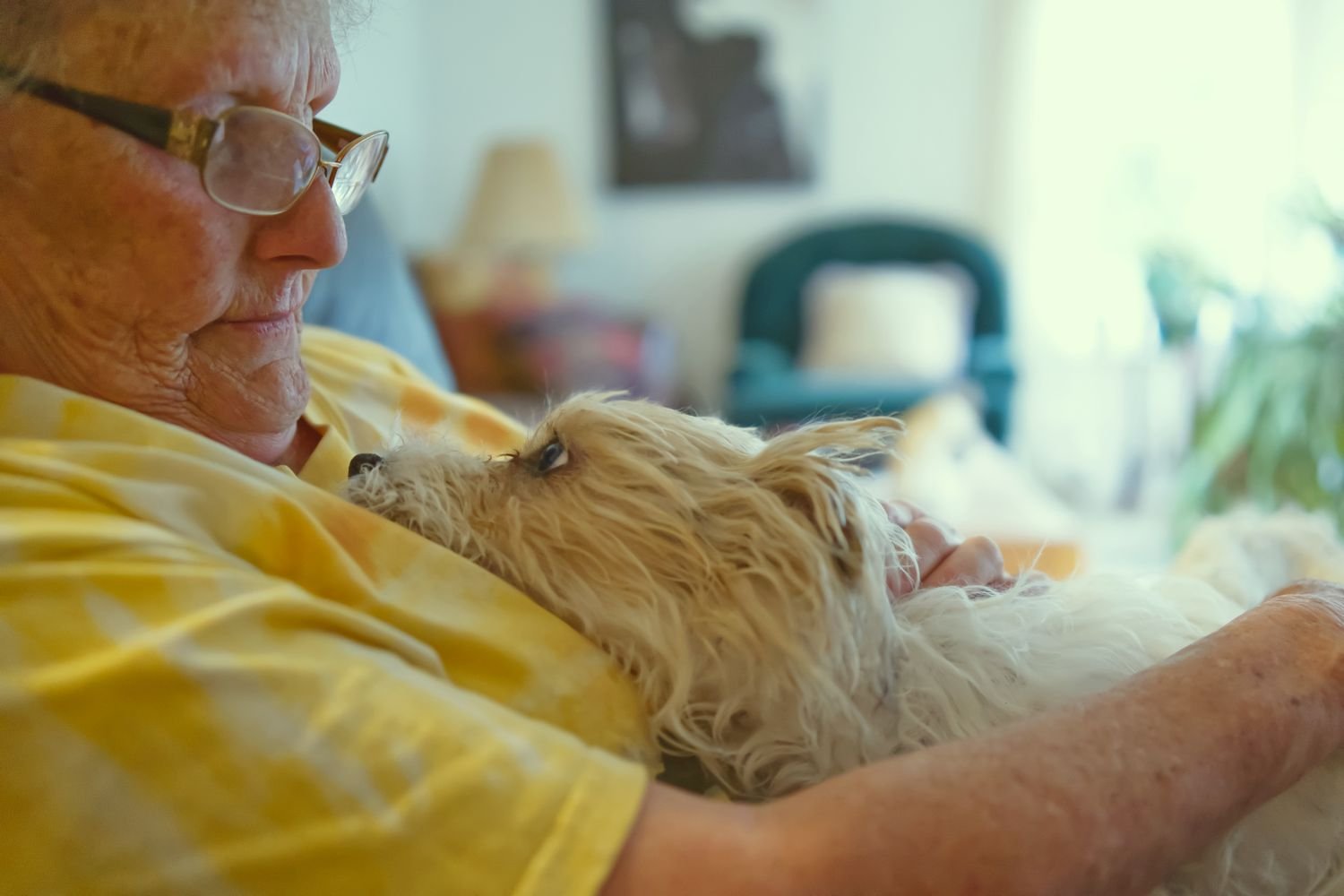
Dogs are naturally pack-oriented. Sleeping near you — or directly in your place — reflects security and bonding. Your scent is calming. It signals safety. It’s not a power move. It’s comfort.
Cats, despite their independent reputation, form strong attachments too. When a cat naps on your clothes or pillow, they’re surrounding themselves with your scent. That’s not territorial behavior — it’s emotional connection.
Routine Brings Reassurance
Pets thrive on predictability. A consistent sleep spot at the same time each day helps regulate their internal rhythm and reduce stress.
If you notice them switching spots suddenly, consider what may have changed:
- New visitors?
- Rearranged furniture?
- New noises?
- Changes in your schedule?
Even small environmental shifts can temporarily influence their sleeping choices.
What Your Pet’s Sleep Habits Might Be Telling You
Sleep patterns can offer subtle clues about physical and emotional health.
- Sleeping more than usual? Could be normal — but sudden increases may signal illness.
- Restless at night? Pain, anxiety, or noise may be factors.
- Choosing your bed or clothes? Strong bonding and attachment.
- Hiding away frequently? Possible stress or desire for solitude.
Observing these patterns helps you respond before small issues become bigger ones.
Creating the Perfect Sleep Environment
Whether you share your home with a dog, a cat, or both, you can encourage healthy rest by providing:
- Quiet, low-traffic sleeping areas
- Bedding suited to the season
- Consistent daily routines
- Elevated or enclosed options for cats
- A calm, predictable atmosphere
When pets feel safe, their sleep becomes deeper and more restorative.
Final Thoughts
So next time you find your pet curled up in your favorite spot, pause before moving them.
- They’re not claiming territory.
- They’re choosing warmth.
- They’re choosing safety.
- And very often — they’re choosing you.
And honestly? That’s one of the sweetest compliments a pet can give.