What Your Fingernails Might Reveal About Your Health
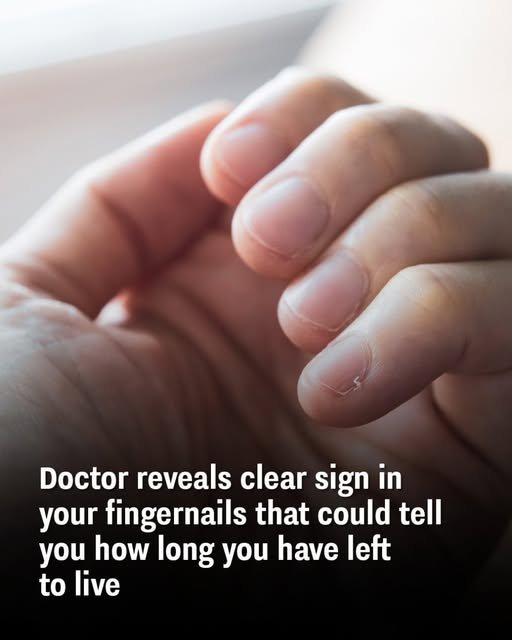
Your fingernails aren’t just there for manicures and nail art — they may actually offer surprising clues about your overall health and even your biological age.
According to David Sinclair, a professor of genetics at Harvard Medical School, the rate at which your fingernails grow could reflect how quickly your body is aging on a cellular level.
Let’s break down what that means — and what you should watch for.
Can Nail Growth Reflect Biological Age?
Dr. Sinclair has referenced research from 1979 suggesting that fingernail growth slows by about 0.5% per year starting around age 30.
In simple terms:
- Faster nail growth may indicate stronger cellular regeneration.
- Slower nail growth could reflect the natural aging process.
Because nail growth depends on cell turnover and circulation, it may serve as a subtle, non-invasive marker of biological aging — meaning how your body is aging internally, not just how many birthdays you’ve had.
Interestingly, researchers also found that nail growth doesn’t slow down evenly. It appears to move in cycles, with periods of faster and slower growth. Environmental factors — especially temperature — can also play a role. Warmer weather tends to speed things up.
Nail Changes That Could Signal Health Issues
Beyond growth rate, your nails can sometimes hint at underlying health concerns. While changes don’t automatically mean something is wrong, persistent or dramatic shifts are worth paying attention to.
Here are some common nail changes and what they may indicate:
White Nails
Could be associated with liver disease, anemia, or diabetes.
Yellow Nails
Sometimes linked to fungal infections or respiratory conditions such as chronic bronchitis.
Bluish Nails
May signal low oxygen levels in the blood, which can relate to heart or lung issues.
Rippled or Pitted Nails
Often seen in individuals with psoriasis or inflammatory arthritis.
Dark Lines Under the Nail
In rare cases, this can be a warning sign of melanoma, a serious form of skin cancer.
It’s important to remember: these signs are not diagnoses. They are potential indicators. If you notice significant or sudden changes, consulting a healthcare professional is the safest course of action.
How to Support Healthy Nail Growth
Healthy nails often reflect overall wellness. Supporting them isn’t complicated, but consistency matters.
Prioritize Nutrition
Eat a balanced diet rich in:
- Biotin
- Iron
- Zinc
- Protein
These nutrients play key roles in nail strength and growth.
Stay Hydrated
Moisturize your nails and cuticles regularly to prevent brittleness.
Protect Your Hands
Wear gloves when cleaning or exposing your hands to chemicals or prolonged moisture.
Avoid Damaging Habits
Resist biting your nails or using them as tools, which can weaken and damage them over time.
Why Paying Attention Matters
Your body often sends subtle signals before larger health issues develop. Nails grow slowly, so changes tend to reflect longer-term patterns rather than sudden problems.
Regularly observing your nails — their growth, color, and texture — can act as a simple early-awareness tool.
The Bottom Line
Your fingernails may offer small but meaningful clues about your biological aging and overall health. While they’re not a standalone health test, they can provide helpful insights when viewed as part of the bigger picture.
By paying attention to changes and supporting healthy habits, you’re not just caring for your nails — you’re taking a proactive step toward overall well-being.
You’ve just read, What Your Fingernails Might Reveal About Your Health. Why not read Manager Had To Hire A New Employee.