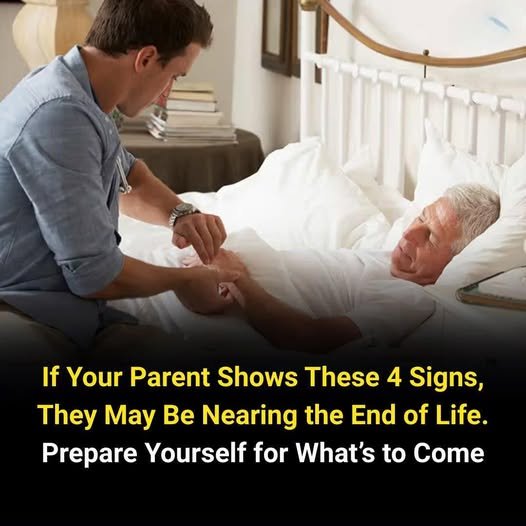
If your partner is nearing the end of life, you might notice increased sleep, reduced eating/drinking, withdrawal, confusion, restlessness, significant changes in breathing (irregular, noisy, pauses), cooler extremities (hands/feet) with mottled skin, and loss of bladder/bowel control, as the body slows down and systems begin to shut down, often signaling the final days or hours.
Behavioral & Mental Changes
- Withdrawal: Less interest in activities, people, or surroundings.
- Increased Sleep: Sleeping or dozing more often, becoming less responsive.
- Confusion/Agitation: May seem confused about time/place, experience delusions, or become restless.
- Communication: May talk less, prefer quiet, or express feelings about “unfinished business”.
Physical Changes
- Breathing: Becomes irregular, shallow, or pauses (apnea); may have noisy breaths (death rattle) from fluid.
- Circulation: Hands, feet, or knees become cool, blotchy, or purplish/mottled.
- Skin: May feel warm or cool; skin color can change (pale, bluish, mottled).
- Appetite: Decreased interest in food or drink, often preferring soft foods or fluids.
- Body Functions: Less urine output, potential incontinence due to muscle relaxation.
- Energy: Feeling weak, less active, or experiencing sudden energy surges.
In the Final Hours (Active Dying)
- Eyes: May appear glassy, teary, or half-closed.
- Pulse/Blood Pressure: Becomes weak, irregular, or difficult to find.
- Breathing: May slow significantly, stop, or become very shallow.
- Unresponsiveness: May drift in and out of consciousness, eventually becoming unresponsive.
What to do: Focus on comfort, keep them calm, and alert the hospice or healthcare team; they can provide guidance and medication for anxiety or pain.