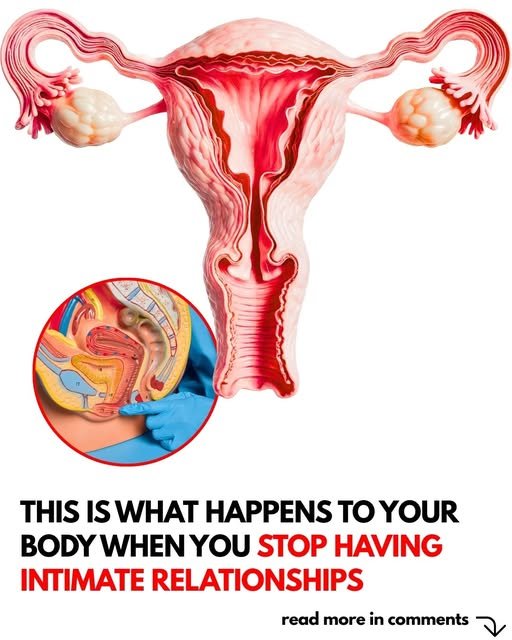
While lack of intimacy does not inherently cause direct health problems, regular sexual activity offers several health benefits; not having it means missing out on those protective effects.
Here are seven potential body effects associated with a prolonged lack of intimacy:
- Weakened immune system: Regular sex is linked to higher levels of immunoglobulin A (IgA), an antibody that helps fight off infections. Without this boost, you may be slightly more susceptible to common illnesses like colds and flu.
- Increased stress and anxiety: Intimacy and orgasm trigger the release of mood-boosting hormones like oxytocin and endorphins, while also helping to lower cortisol (the stress hormone). Abstinence can result in missing this natural stress-relief mechanism.
- Higher blood pressure: Regular sexual activity has been linked to lower blood pressure. A lack of it removes a form of physical exercise and stress reduction that contributes to cardiovascular health.
- Potential for sexual dysfunction: For women, infrequent sex, particularly after menopause, can lead to vaginal tissues becoming thinner, drier, and less elastic (vaginal atrophy), which can make sex painful. For men, a lack of regular sexual activity may increase the risk of erectile dysfunction.
- Worse sleep quality: The hormones released during sex, such as prolactin and oxytocin, promote feelings of relaxation and sleepiness. Without these, some people may experience poorer sleep quality.
- Increased risk of certain health issues in older adults: Some studies suggest a correlation between a decline in sexual activity and function in older men and women with an increased risk of chronic illnesses, including heart disease and certain cancers, though this may be due to general health rather than abstinence itself.
- Weakened pelvic floor muscles: Regular orgasms help to contract and strengthen the pelvic floor muscles, which support bladder control and pelvic organs. A long gap in intimacy may lead to some weakening of these muscles over time.
It is important to note that many of these “effects” are simply the absence of the benefits that regular intimacy provides. For individuals who choose abstinence or do not desire sex, there are no inherent negative health outcomes, and other lifestyle factors like exercise, a healthy diet, and emotional connection can provide similar benefits.