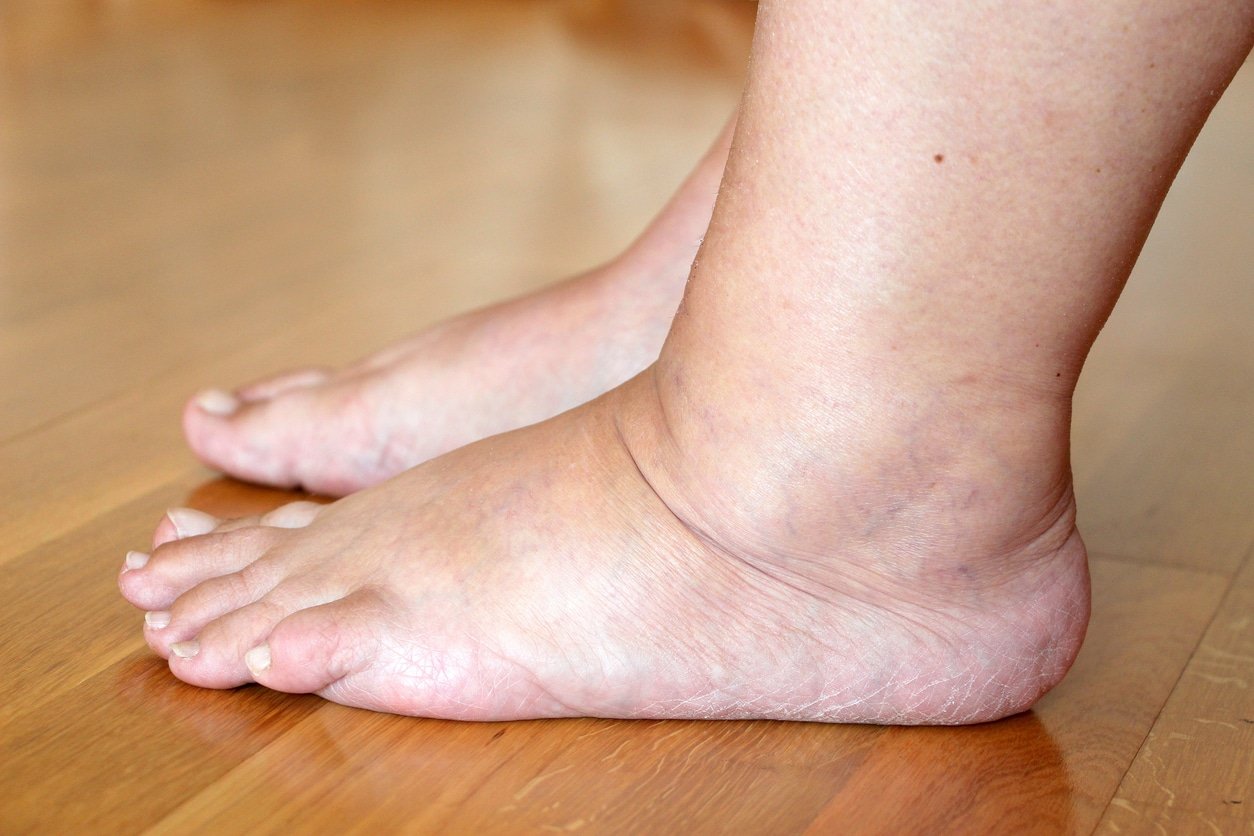
Swollen legs are a common concern among older adults. While occasional mild swelling is usually harmless, frequent or severe swelling can cause discomfort, limit mobility, and sometimes signal underlying health issues.
Understanding the possible causes can help seniors and caregivers manage this condition more effectively.
Poor Circulation
As we age, our blood vessels naturally lose some of their elasticity. This makes it harder for blood to flow efficiently back to the heart—especially from the legs.
Because of gravity, fluid tends to collect in the lower body, leading to swelling in the feet and ankles. This is often more noticeable after long periods of sitting or standing.
Fluid Retention (Edema)
Swelling can also be caused by a condition known as edema, where excess fluid builds up in the body’s tissues. In older adults, this is often linked to health conditions such as heart disease, kidney problems, or liver disorders.
When these organs don’t function properly, the body struggles to maintain a healthy fluid balance, resulting in visible swelling.
Medication Side Effects
Many seniors rely on medications to manage chronic conditions. However, some medications—especially those used for blood pressure or inflammation—can lead to swelling as a side effect.
If swelling begins shortly after starting a new medication, it’s important to consult a healthcare professional.
Lack of Physical Activity
A sedentary lifestyle can make swelling worse. When the body is inactive for long periods, especially when sitting or lying down, the leg muscles are not engaged.
These muscles play an important role in helping blood circulate back to the heart. Without regular movement, fluid can accumulate in the legs.
Warning Signs of Serious Conditions
In some cases, swollen legs may be a sign of a more serious condition, such as Deep Vein Thrombosis (DVT). This occurs when a blood clot forms in a deep vein, usually in the leg, and requires urgent medical attention.
Warning signs include swelling in one leg, pain, redness, or a warm sensation in the affected area.
Simple Ways to Reduce Swelling
Fortunately, there are several easy ways to help manage and reduce swelling:
- Elevate your legs above heart level when resting
- Wear compression stockings to improve circulation
- Stay well-hydrated and limit salt intake
- Engage in light physical activities like walking or gentle stretching
Conclusion
Swollen legs in older adults are often the result of a combination of aging, medical conditions, and lifestyle habits.
While mild swelling can usually be managed at home, persistent or severe symptoms should not be ignored.
Seeking timely medical advice can help prevent complications and improve overall comfort and quality of life.
Disclaimer: Content is provided for informational purposes only and is not intended as a substitute of medical advice. Seek guidance of your doctor regarding your health and medical conditions.