Oxygen plays a vital role in keeping our bodies functioning properly. When oxygen levels in the blood—especially in the arteries—drop below normal, a condition known as hypoxemia occurs. Because every organ and tissue depends on oxygen to work efficiently, hypoxemia can quickly become serious if left untreated.
Without timely care, low blood oxygen levels may lead to complications such as organ damage, difficulty with thinking or concentration, and in severe cases, can even be life-threatening. Understanding what causes hypoxemia and recognizing the warning signs early can make a significant difference in protecting your health.
Common Causes of Hypoxemia
Several conditions and situations can interfere with the body’s ability to absorb or deliver oxygen effectively:
Respiratory Diseases
Chronic lung conditions like chronic obstructive pulmonary disease (COPD), asthma, pneumonia, and pulmonary fibrosis can limit how well oxygen moves from the lungs into the bloodstream. Because these conditions often develop gradually, declining oxygen levels may go unnoticed at first.
Cardiovascular Problems
Heart conditions can reduce how efficiently oxygen-rich blood is circulated throughout the body. Even if the lungs are working properly, issues such as heart failure or congenital heart defects may prevent organs from receiving enough oxygen.
High Altitudes
At higher elevations, oxygen levels in the air are lower. People traveling to or living at high altitudes may experience hypoxemia until their bodies adjust. In more severe cases, this can lead to altitude-related illnesses.
Airway or Blood Flow Obstructions
Blockages in the airway or blood vessels—such as blood clots, severe allergic reactions, or foreign objects—can prevent oxygen from reaching vital tissues.
Other Contributing Factors
Conditions like sleep apnea, anemia, and certain infections may also reduce oxygen delivery by affecting breathing patterns or the blood’s ability to carry oxygen.
Symptoms to Watch For
Hypoxemia can develop suddenly or progress slowly over time. Common symptoms include:
- Shortness of breath or rapid breathing
- Increased heart rate
- Headaches or lightheadedness
- Confusion or trouble concentrating
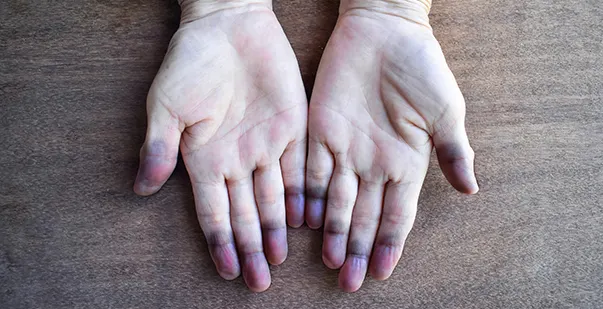
- A bluish tint to the lips, fingertips, or skin (known as cyanosis)
Some people may not notice clear symptoms until oxygen levels become dangerously low, which is why awareness and monitoring are so important.
How Hypoxemia Is Diagnosed
Healthcare providers use several methods to evaluate oxygen levels and identify underlying causes:
- Pulse Oximetry: A quick, non-invasive test that estimates oxygen saturation using a small device placed on the finger.
- Arterial Blood Gas (ABG) Test: Provides precise measurements of oxygen and carbon dioxide levels in the blood.
- Imaging Tests: Chest X-rays or CT scans can help detect lung or heart problems.
- Additional Tests: Pulmonary function tests and echocardiograms may be used for further evaluation.
Treatment Options
Treatment depends on both symptom severity and the underlying cause:
- Oxygen Therapy: Supplemental oxygen can rapidly restore safer oxygen levels.
- Medications: Drugs such as bronchodilators, anti-inflammatory medications, or heart treatments may address the root issue.
- Lifestyle Changes: Quitting smoking, improving air quality, staying physically active, and avoiding high altitudes without proper acclimation can support lung and heart health.
- Hospital Care: Severe cases may require hospitalization for close monitoring and advanced treatment.
When to Seek Medical Attention
Immediate medical care is essential if you experience sudden shortness of breath, chest pain, confusion, or bluish discoloration of the skin. Prompt treatment can prevent serious complications and significantly improve outcomes.
Final Thoughts
Hypoxemia is a serious condition that can arise from many different causes, ranging from lung and heart diseases to environmental factors.
Recognizing symptoms early, getting timely diagnosis, and following appropriate treatment are key to preventing long-term damage.
By taking care of your heart and lungs and seeking medical help when warning signs appear, you can help ensure your body gets the oxygen it needs to function at its best.