The Strange Phenomenon of Sleep Paralysis: When the Body Stops Listening
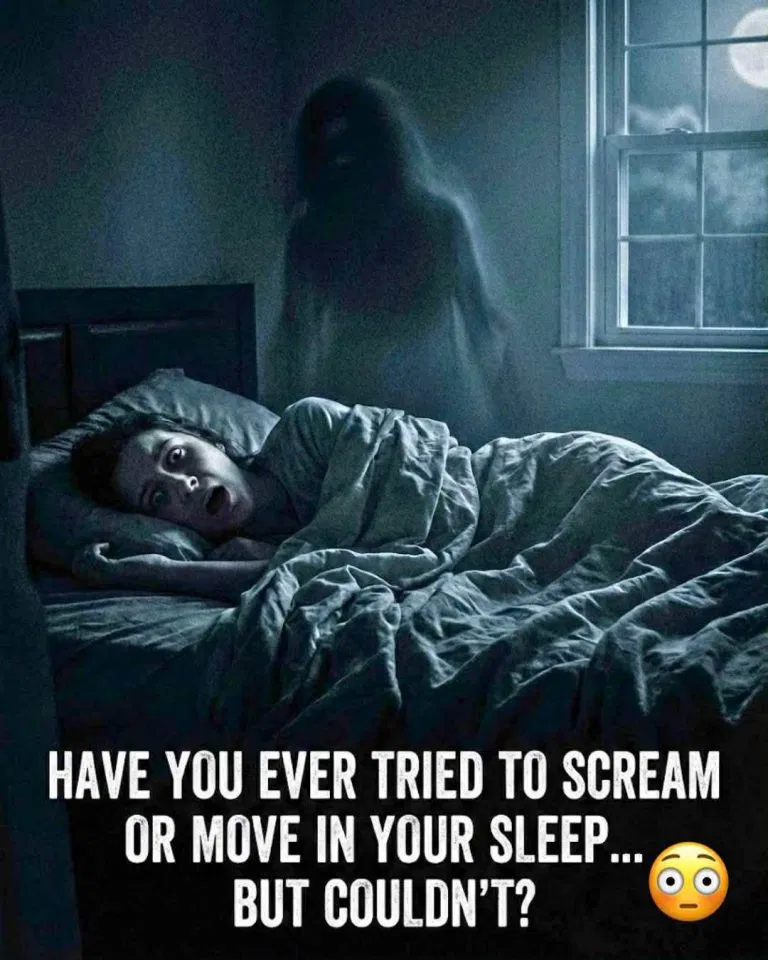
You wake up.
Your eyes are open. You can see your room. The ceiling. The faint glow from outside your window.
But something is wrong.
You try to move your hand. Nothing happens.
You try to speak. No sound comes out.
Your chest feels heavy. Your heart races.
You’re awake — but your body refuses to listen.
This unsettling experience is known as sleep paralysis, and despite how terrifying it can feel, it’s more common — and more explainable — than many people realize.
What Actually Happens During Sleep Paralysis?
To understand sleep paralysis, we need to understand REM sleep (Rapid Eye Movement sleep).
During REM sleep:
-
Your brain is highly active
-
You dream vividly
-
Your body temporarily shuts down most voluntary muscle movement
This muscle shutdown is called REM atonia, and it’s completely normal. It prevents you from physically acting out your dreams.
Sleep paralysis happens when your brain wakes up before your body does.
Your awareness returns — but the muscle “off switch” is still engaged.
So you’re conscious… but temporarily unable to move.
Why Does It Feel So Terrifying?
Sleep paralysis often comes with something even stranger: hallucinations.
Because your brain is still partly in dream mode, it may:
-
Create shadowy figures in the room
-
Make you feel like someone is watching you
-
Cause the sensation of pressure on your chest
-
Produce sounds like footsteps, whispers, or breathing
Across cultures, people have described eerily similar experiences:
-
A dark presence standing in the corner
-
A figure sitting on the chest
-
A feeling of being held down
Historically, these episodes were blamed on demons, spirits, or supernatural forces. Today, we know they are neurological — but that doesn’t make them feel any less real in the moment.
Who Is More Likely to Experience It?
Sleep paralysis is more common in people who:
-
Are sleep deprived
-
Have irregular sleep schedules
-
Experience high stress or anxiety
-
Sleep on their backs
-
Have narcolepsy
Teenagers and young adults report it more often, though it can happen at any age.
Up to 1 in 5 people will experience at least one episode in their lifetime.
How Long Does It Last?
Most episodes last between a few seconds and two minutes.
It can feel much longer because of the intense fear involved.
The paralysis ends when:
-
Your body fully wakes up
-
Someone touches you
-
You manage to focus on small movements like wiggling a finger or toe
Can It Harm You?
Despite how frightening it feels, sleep paralysis is not physically dangerous.
You are still breathing normally, even if it feels difficult. The sensation of chest pressure comes from muscle paralysis combined with lingering dream imagery.
It does not mean:
-
You are “losing control”
-
You are being attacked
-
You are going crazy
-
Something supernatural is happening
It is a temporary mismatch between brain and body.
How to Reduce Sleep Paralysis Episodes
If it happens frequently, small changes can help:
-
Maintain a consistent sleep schedule
-
Aim for 7–9 hours of sleep
-
Reduce stress before bed
-
Avoid screens right before sleeping
-
Try sleeping on your side instead of your back
If episodes are frequent and severe, a doctor can help rule out underlying sleep disorders.
The Strange Beauty of It
For some people, once they understand what’s happening, sleep paralysis becomes less terrifying and more fascinating.
It sits at the boundary between dreaming and waking — a rare moment when consciousness and the subconscious overlap.
A glitch in the system.
A reminder that sleep isn’t a simple off switch — it’s a complex dance between brain and body.
And sometimes, for a brief and unsettling moment…
The body just forgets to follow along.