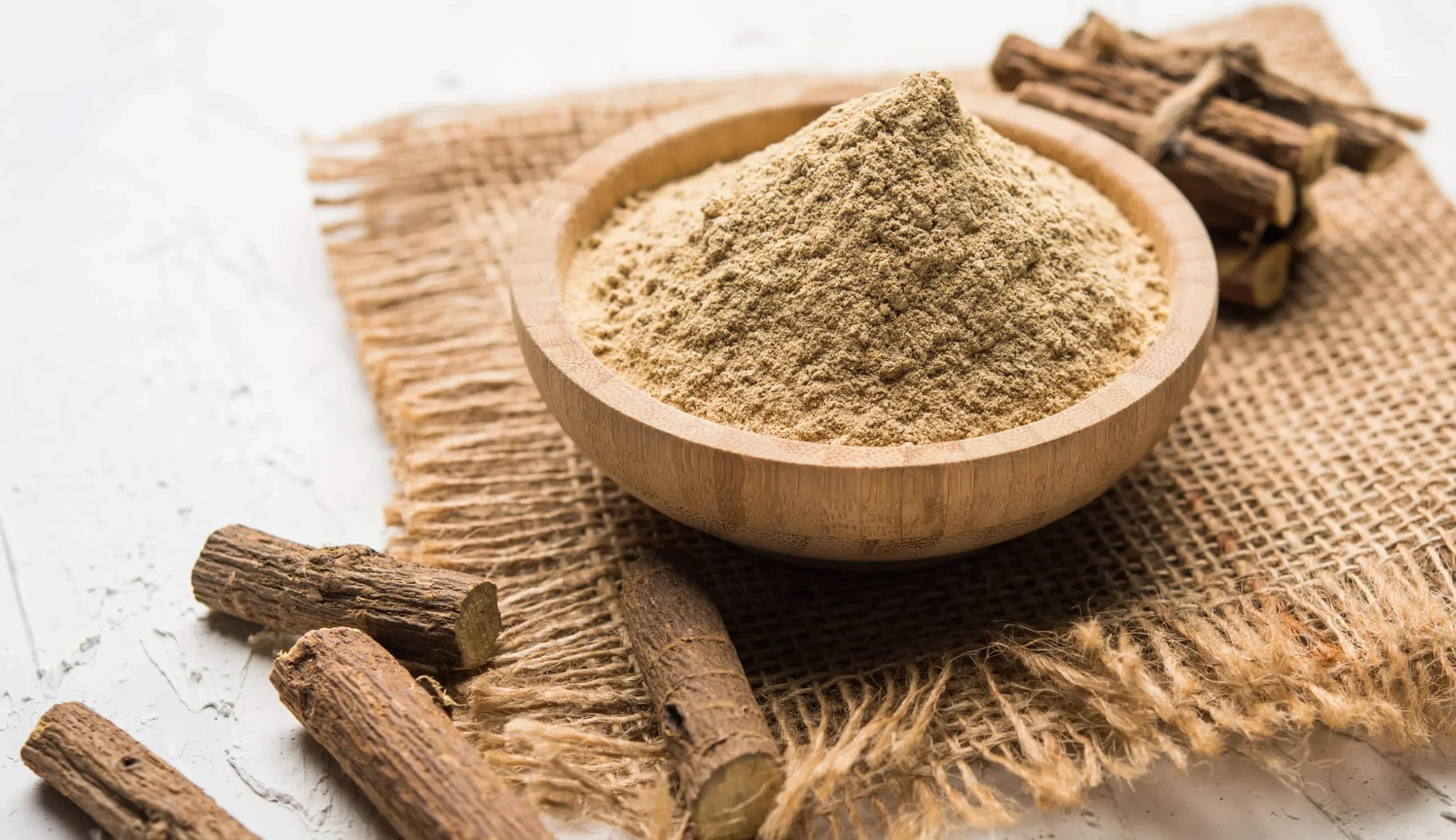
Many traditional cultures use specific plant roots as natural remedies for digestive discomfort and liver support.
One such example gaining online attention is licorice root — long valued in herbal medicine for its rich compounds that may benefit both the stomach and liver.
What Is Licorice Root?
Licorice (Glycyrrhiza glabra) is a perennial herb native to parts of Europe and Asia. Although best known as a sweet-tasting flavoring in candies and teas, licorice root also contains bioactive compounds like glycyrrhizin and various saponins that traditional herbalists believe provide health effects.
Top Benefits of Licorice Root
1. May Improve Liver Function
Herbal articles report that the anti-inflammatory properties of licorice root help the liver’s detoxification process, which can be especially valuable for people concerned about fatty liver conditions.
Although scientific evidence varies by compound and preparation, many herbs traditionally used for liver support—including milk thistle and dandelion—have shown antioxidant, anti-inflammatory, and hepatoprotective activity in some research.
2. Supports Digestive Health and Reduces Stomach Inflammation
Protective Effect: Licorice is said to form a soothing protective layer on the stomach lining.
Bile Production: It may stimulate bile secretion, helping food digest more smoothly and reducing discomfort.
Many herbs used for liver and digestive support also offer compounds that reduce inflammation and oxidative stress, which can soothe minor digestive irritation.
3. Additional Wellness Benefits
Licorice root also contains antioxidants that can help neutralize free radicals and may support overall wellbeing.
Some traditional remedies combine licorice with ginger or honey to enhance digestive comfort and boost soothing effects.
How to Use Licorice Root Safely
Traditional Preparation
A common method is to make licorice root tea: boil dried root in water, let it steep, strain, and drink warm.
Licorice supplements in capsule, powder, or extract form are also available; follow product directions and consult a healthcare provider if you have underlying health conditions.
Precautions and Warnings
While licorice root has traditional uses, it isn’t suitable for everyone. Excessive consumption can:
- Increase blood pressure
- Cause sodium retention
- Lower potassium levels
People with heart conditions, high blood pressure, kidney issues, or who are pregnant should avoid high doses without medical guidance.
Herbal Allies for Liver and Digestion
Licorice root is just one of many plants used for liver and digestive support. Others include:
- Milk thistle: contains silymarin, which may support liver detox pathways.
- Dandelion root: often used to boost bile flow and digestion.
- Turmeric: curcumin has potent anti-inflammatory properties.
These herbs have been studied for their potential to support liver function and reduce inflammation, though results can vary and more research is usually needed.
Final Thoughts
Licorice root remains a widely recognized herbal remedy in many traditional systems around the world.
When used responsibly, it may provide calming support for stomach discomfort and complement liver health efforts alongside a balanced diet and healthy lifestyle.
Always consult a healthcare professional before starting any herbal supplement, especially if you have medical conditions or take medications.