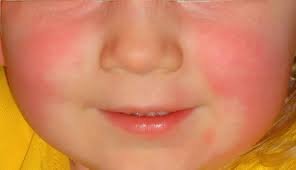
Scarlet fever is an infection caused by group A Streptococcus bacteria, the same bacteria responsible for strep throat. While it was once considered a serious childhood illness, it can still appear today and may spread quickly among children, especially in schools and crowded environments.
Although most cases can be treated effectively with antibiotics, early recognition is important to prevent complications and stop the infection from spreading to others.
What is scarlet fever?
Scarlet fever usually develops after a strep throat infection. The bacteria release a toxin that causes a distinctive red rash and other symptoms. It mostly affects children between 5 and 15 years old, but adults can occasionally get it as well.
The illness is contagious and spreads through respiratory droplets when an infected person coughs, sneezes, or shares close contact with others.
Early throat symptoms
One of the first signs of scarlet fever is a sore throat that may appear suddenly and feel more severe than a common cold. Children may complain of pain while swallowing, and their throat may appear red and inflamed.
In many cases, swollen glands in the neck also develop, which can make the area tender to touch. Fever often appears at the same time and may rise quickly.
High fever and tiredness
A sudden high fever is a common early symptom. The child may also feel weak, tired, or unusually irritable. Loss of appetite is also frequently seen.
Because the infection affects the immune system, the body responds strongly, leading to overall fatigue and discomfort.
Red rash appearance
The most recognizable sign of scarlet fever is a red rash that typically appears one or two days after the initial fever. It often starts on the chest or stomach before spreading to other parts of the body.
The rash can feel rough, similar to sandpaper, and may become more visible in skin folds such as under the arms or around the elbows and knees.
“Strawberry tongue” change
Another key symptom is a change in the appearance of the tongue. It may become red, swollen, and dotted with small bumps, giving it a strawberry-like appearance.
At the same time, the tongue may initially appear coated white before turning red as the illness progresses.
Skin peeling during recovery
As the infection improves, the rash begins to fade and the skin may start to peel, especially on the fingers and toes. This is a normal part of recovery and can last for several days.
Although it may look concerning, peeling is usually not dangerous if the infection is properly treated.
When to seek medical help
Parents should seek medical attention if a child has a sore throat combined with fever and rash. Early diagnosis helps confirm the infection and allows antibiotics to be started quickly.
Prompt treatment reduces the risk of complications such as ear infections, sinus infections, or rare heart and kidney problems.
Final thoughts
Scarlet fever may sound alarming, but with early recognition and proper treatment, most children recover fully within a week. Awareness of the symptoms helps parents act quickly and protect both their child and others from infection.