Snakes are an important part of the natural ecosystem, but most people would prefer not to encounter them in their yards, gardens, or homes. In many regions, especially rural or warm climates, snakes may wander close to houses while searching for food, shelter, or warmth. While most snakes are harmless and avoid humans whenever possible, their presence can still cause anxiety.
Fortunately, there are natural methods that may help discourage snakes from lingering around your home. Snakes rely heavily on their sense of smell and chemical detection through their tongues and Jacobson’s organ. Certain strong scents can irritate or confuse them, making an area less attractive.
Using these natural odors around the yard, garden, or entry points may help reduce the chances of snakes staying nearby.


1. Garlic
Garlic is widely known for its strong smell, and this pungent odor can be unpleasant for many animals, including snakes. The sulfur compounds released when garlic is crushed produce a powerful scent that spreads through the air and soil.
Some homeowners sprinkle garlic powder around garden edges, doorways, or areas where snakes might hide. Others mix crushed garlic with water and spray it along fences, foundations, and yard borders.
While garlic alone cannot guarantee complete protection, its intense odor can help make an area less inviting for snakes.



2. Onions
Onions contain similar sulfur compounds to garlic, producing a strong scent that can irritate sensitive noses. Snakes detect chemical signals in the environment constantly, and strong odors may interfere with this process.
Placing onion slices in problem areas or mixing onion juice with water for a spray solution is sometimes used as a natural deterrent. However, onions should be used carefully if pets are present, since they can be toxic to dogs and cats if eaten.



3. Cinnamon
Cinnamon has a very strong aromatic scent that many people enjoy but can overwhelm certain animals. Some natural pest control methods include sprinkling cinnamon powder around outdoor areas where snakes might enter.
The fine particles and strong fragrance can irritate a snake’s sensory system and encourage it to move away from the area.
Additionally, cinnamon oil diluted with water may be used as a spray along pathways, fences, or near outdoor storage spaces.

4. Cloves
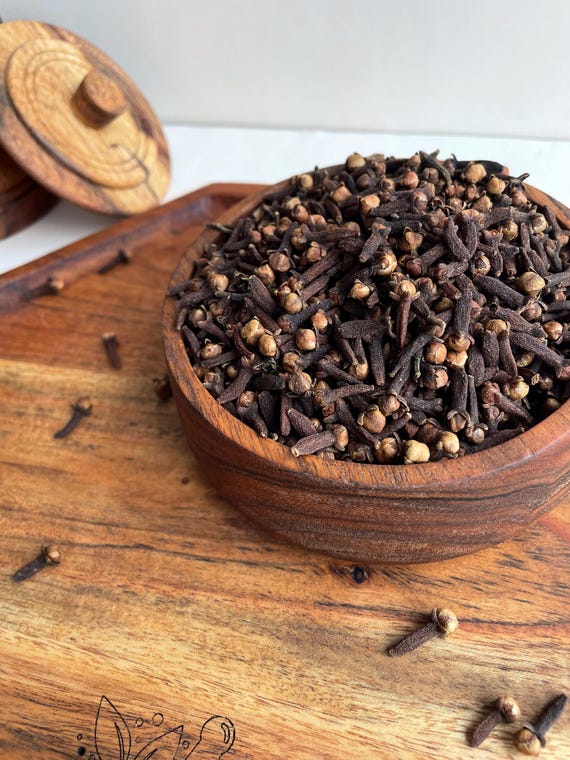
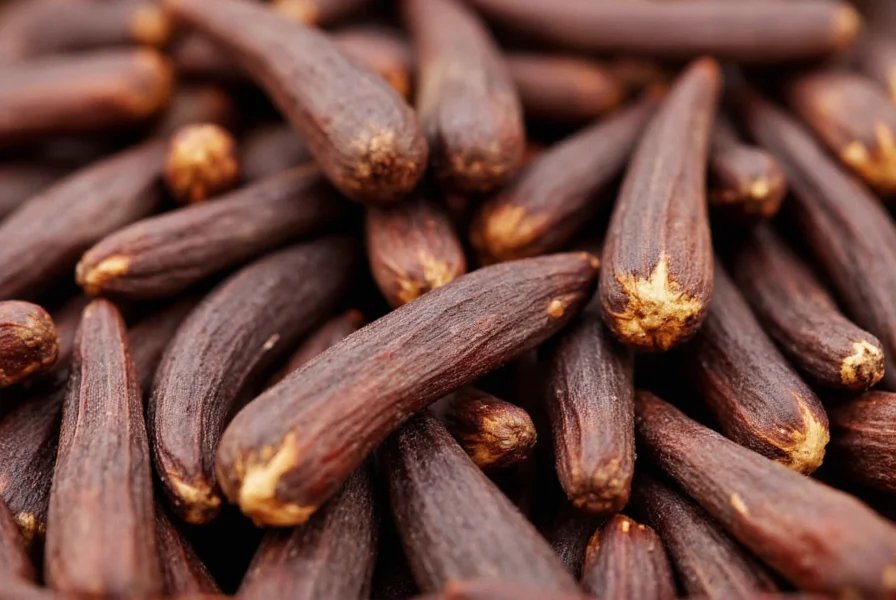
Cloves are another spice with a very powerful smell. Clove oil is sometimes used in natural pest control products because its scent can irritate reptiles and insects.
A mixture of clove oil and water can be sprayed in areas where snakes may hide, such as woodpiles, garden borders, or near sheds.
Because essential oils are concentrated, they should always be diluted properly before use.


5. Lemongrass
Lemongrass contains citronella, a compound known for repelling insects and certain animals. The strong citrus aroma may also discourage snakes from staying nearby.
Planting lemongrass around the yard, especially near fences or garden edges, can provide a natural barrier. In addition to its potential pest-repelling properties, lemongrass is also a useful culinary herb and adds fragrance to gardens.



6. Vinegar
Vinegar has a sharp acidic smell that can be unpleasant for many animals. Some homeowners pour vinegar around water features, garden edges, or cracks near foundations.
The strong scent may discourage snakes from crossing treated areas. However, vinegar should be used carefully around plants because large amounts can affect soil acidity.

7. Ammonia
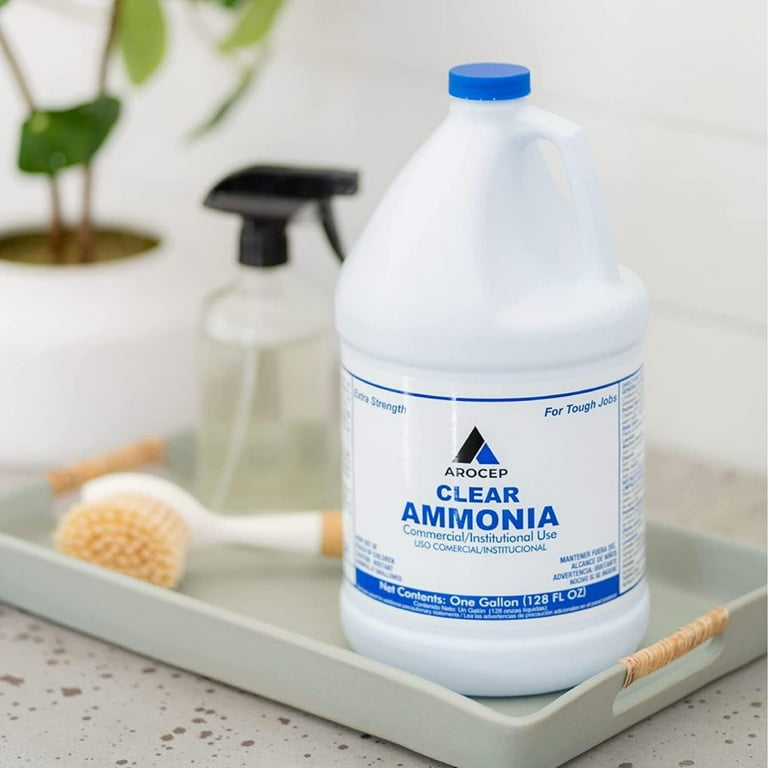
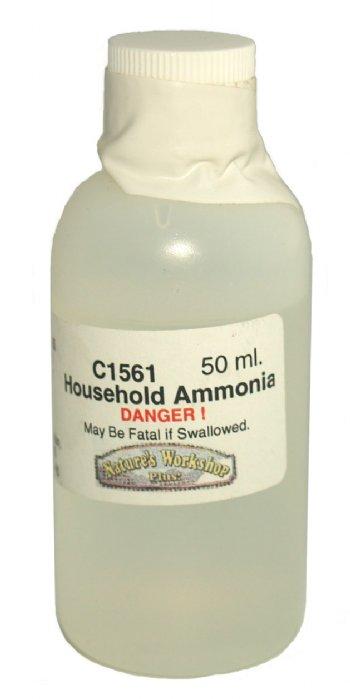
Ammonia has an extremely strong odor that many animals find irritating. Some people soak cloth pieces in ammonia and place them in sealed containers with small holes near areas where snakes have been seen.
The smell may act as a deterrent and encourage snakes to move elsewhere.
However, ammonia should be handled carefully and kept away from children, pets, and plants.
Additional Tips to Prevent Snakes Around the Home
Using scents alone may not completely prevent snakes. A more effective approach combines natural deterrents with good yard maintenance.
Simple preventive steps include:
• Keeping grass trimmed short
• Removing piles of wood, leaves, or debris
• Sealing cracks in foundations and walls
• Controlling rodents that attract snakes
• Installing proper fencing if snakes are common in the area
Snakes are usually attracted to places that offer food, water, and shelter. Removing these conditions makes the environment far less appealing to them.
Final Thoughts
While no scent can guarantee that snakes will never enter a property, certain strong odors may help discourage them from staying nearby. Natural options such as garlic, onions, cinnamon, cloves, lemongrass, vinegar, and ammonia can be used as part of a broader strategy to reduce snake encounters.
Maintaining a clean yard, eliminating hiding spots, and securing entry points will provide the most reliable protection.
By combining these approaches, homeowners can create a safer and more comfortable environment while allowing snakes to remain part of the natural ecosystem—just at a distance from the home.