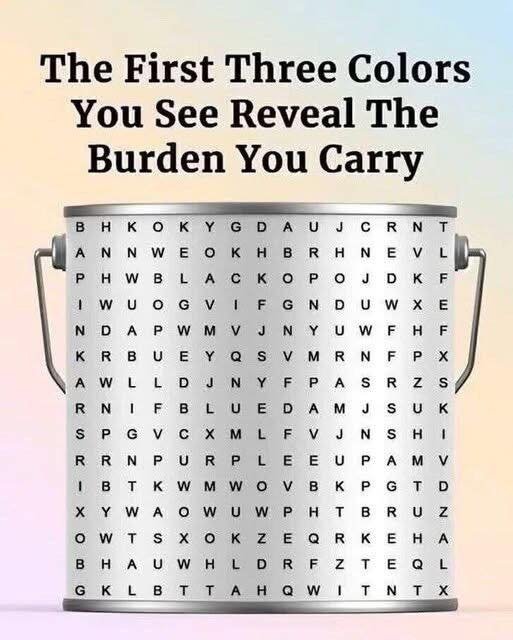
Before we ever speak a word, color begins to tell our story. The shades we wear, the tones we decorate our homes with, and even the colors we avoid all quietly reflect how we feel and what we need. Color isn’t just a matter of taste or style—it’s emotional language. It mirrors moods, memories, and meanings that shape our inner world.
For those who have lived through many seasons of life, it’s especially fascinating to notice how color preferences change over time. A deep red scarf, a calming blue wall, a pale yellow mug—these small choices often mark where we are emotionally, even when we don’t consciously realize it.
When Color Speaks Before Words
Color is often treated as decorative, yet it’s deeply expressive. A favorite hue can act like a mood journal, revealing emotional states long before we put them into words. The colors we embrace—and those we shy away from—can offer subtle clues about what’s happening beneath the surface.
Each shade carries its own emotional tone.
❤️ Red: Energy, Passion, and Intensity
Red is the color of vitality. It’s associated with blood, warmth, love, and movement. People drawn to red often crave energy, confidence, or action. It may signal a desire to feel seen, motivated, or emotionally alive.
At the same time, red can reflect restlessness or frustration. During stressful periods, some people unconsciously surround themselves with red as if trying to reignite their inner spark. Avoiding red, on the other hand, may suggest discomfort with confrontation or visibility. Red demands attention—and stepping away from it can signal a wish to stay safely in the background.
💙 Blue: Calm, Reflection, and Quiet Strength
Blue is serenity made visible. The color of open skies and still water, it encourages calm and emotional balance. A preference for blue often reflects a desire for stability, peace, and time to think.
This is why blue is commonly used in hospitals, spas, and meditation spaces—it slows the pulse and soothes the mind. Yet too much blue can sometimes indicate emotional distance. It’s a color that offers comfort, but also protection.
💚 Green: Healing, Growth, and Grounding
Green is nature’s restorative color. Blending blue’s calm with yellow’s optimism, it represents balance and renewal. When people gravitate toward green—plants, fabrics, or clothing—it often signals a need for healing or a fresh beginning.
In many healing environments, soft green tones promote trust and recovery. Avoiding green may suggest resistance to change or uncertainty about emotional openness. Green invites growth, and turning away from it can mean someone isn’t quite ready for that step yet.
💛 Yellow: Light, Curiosity, and Hope
Yellow is the sunshine of the color spectrum. It’s cheerful, stimulating, and full of movement. Being drawn to yellow may reflect a longing for optimism, creativity, or lightness after a heavy period.
Because yellow is so visible, some people avoid it when they feel vulnerable or uncomfortable with attention. Introducing small touches—a scarf, flowers, or a notebook—can gently reawaken hope and curiosity.
💜 Purple: Wisdom, Depth, and Transformation
Purple combines red’s intensity with blue’s calm, making it a color often associated with introspection and change. Historically linked to wisdom and spirituality, purple is frequently chosen during periods of personal transformation.
A pull toward purple may signal readiness to evolve or explore deeper meaning. Avoiding it can reflect a preference for simplicity or clarity—purple’s introspective quality isn’t comfortable for everyone.
⚫ ⚪ Gray, Black, and White: The Quiet Colors
Neutral shades carry their own emotional weight.
Black represents protection and strength. People drawn to black may be seeking emotional boundaries or a sense of control. It’s often more about armor than sadness.
White symbolizes simplicity and renewal. It’s chosen when there’s a desire to clear mental clutter or begin again. In many cultures, white also marks transition and change.
Gray sits between extremes. It appears during times of fatigue, reflection, or emotional pause. While calming in moderation, too much gray can signal emotional exhaustion.
The Science Behind Color and Mood
Our reactions to color aren’t just symbolic—they’re physical. Research shows that red can increase heart rate and energy, while blue slows breathing and lowers blood pressure. Yellow stimulates mental activity, and green supports calm focus.
Culture also shapes color meaning. White symbolizes purity in Western cultures, while representing mourning in others. Red may signify love, danger, or celebration depending on context.
Yet across cultures, one truth remains: color reaches emotion before logic. It changes how we feel before we consciously notice it.
Everyday Color, Everyday Emotion
Think about the mug you reach for in the morning, the sweater you feel best wearing, or the shade of paint on your walls. These choices aren’t random. They reflect emotional needs—comfort, protection, joy, or renewal.
After difficult seasons, people often gravitate toward muted or darker tones. As life brightens, warmer colors tend to reappear. Even the colors we avoid tell a story—sometimes about caution, sometimes about readiness for change.
Listening to What Color Is Telling You
The next time you’re drawn to a color—or instinctively avoid one—pause and ask yourself what it might reflect about how you’re feeling. Color is a form of quiet communication, expressing what words often can’t.
The walls we paint, the clothes we choose, the objects we keep close—all whisper pieces of our emotional story. If we listen, they can offer gentle insight and understanding.
Because sometimes, long before we speak, color already knows what our hearts are trying to say.