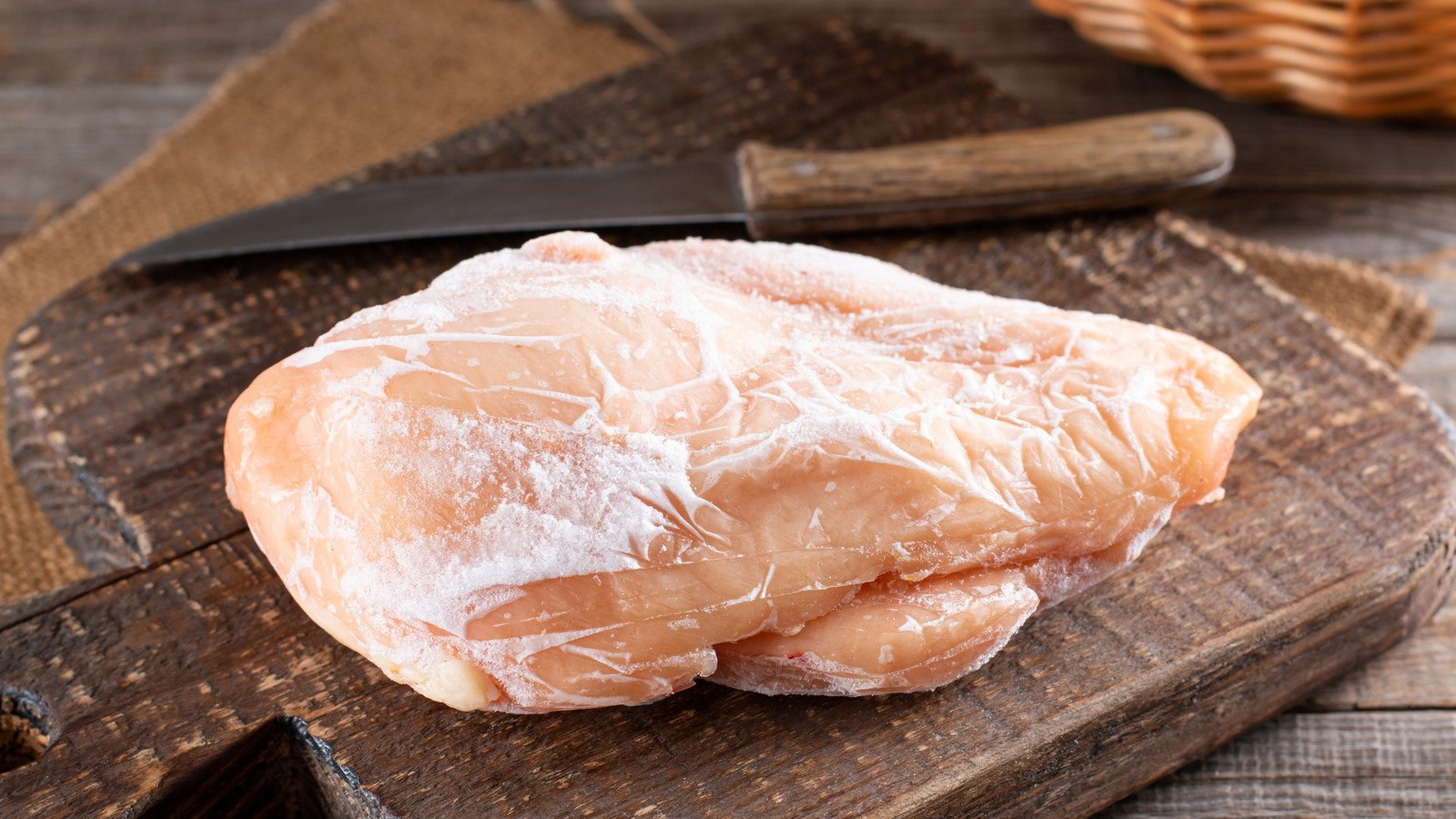
Defrosting chicken might seem like a simple step in meal prep, but doing it incorrectly can put your health at serious risk. Whether you’re cooking a family dinner or throwing together a quick weekday meal, how you thaw your chicken matters more than most people realize.
Unfortunately, many households still rely on one common method that can lead to dangerous bacterial growth—and potential food poisoning.
The Risky Habit: Defrosting Chicken on the Counter
Leaving frozen chicken out on the kitchen counter is one of the most widespread—and unsafe—defrosting practices.
At room temperature, the outer layers of chicken warm up quickly and enter what the USDA calls the “danger zone” (between 40°F and 140°F / 4°C–60°C). This temperature range allows harmful bacteria such as Salmonella and Campylobacter to multiply rapidly.
Even if the center of the chicken remains frozen, the surface may already be contaminated by the time the meat fully thaws.
Why This Poses a Serious Health Threat
Raw poultry is especially prone to bacterial contamination. Improper thawing doesn’t just affect texture or flavor—it can cause serious foodborne illness.
While thorough cooking kills bacteria, allowing them to multiply during defrosting increases the risk that some may survive, especially if the meat cooks unevenly. According to the Centers for Disease Control and Prevention (CDC), poultry is linked to roughly 1 million cases of foodborne illness each year in the U.S., many caused by unsafe handling and thawing—not just undercooking.
Safe and Approved Ways to Defrost Chicken
The good news is that safe alternatives are simple and effective:
1. Refrigerator Thawing (Safest Method)
Place frozen chicken in a sealed container or dish and allow it to thaw in the refrigerator for about 24 hours. This keeps the meat at a consistent, safe temperature and minimizes bacterial growth. It requires planning—but it’s the safest option.
2. Cold Water Method
Seal the chicken in a leak-proof bag and submerge it in cold water, changing the water every 30 minutes. Smaller cuts may thaw in 1–2 hours. This method is faster but requires attention, and the chicken should be cooked immediately afterward.
3. Microwave Defrosting
Use the defrost setting on your microwave only when necessary. This method can begin cooking parts of the chicken unevenly, so it should always be followed by immediate cooking.
What You Should Never Do
Avoid these unsafe practices:
Thawing chicken on the counter
Using hot or warm water
Leaving chicken in the sink overnight
Refreezing raw chicken thawed at room temperature
These methods increase bacterial growth and can also damage the meat’s texture and quality.
Final Thoughts: Food Safety Starts Before Cooking
Defrosting chicken safely isn’t just a technical detail—it’s a key step in protecting your health and your family’s well-being. By avoiding countertop thawing and choosing safe, recommended methods instead, you dramatically reduce the risk of foodborne illness.
A little extra time and care during defrosting can make all the difference between a healthy meal and a preventable problem.