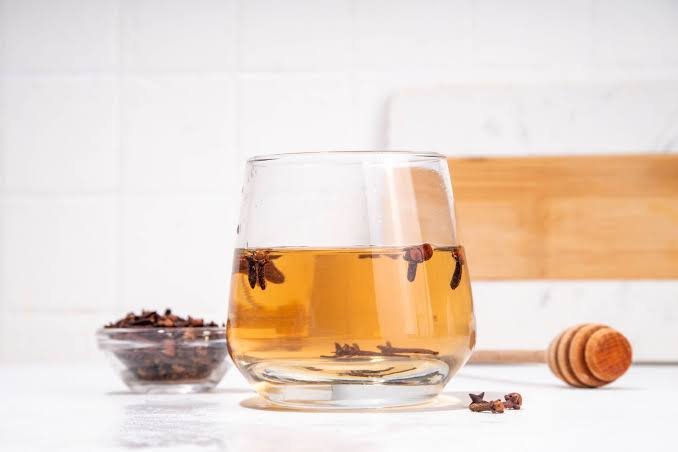
But intimate skin is much more sensitive than the skin on your arms or legs. Something that is natural is not automatically gentle enough for the vulva, and there is currently little scientific evidence showing that clove water provides special benefits when used in a sitz bath. In fact, for most situations, plain warm water remains the simplest and safest option.
That does not mean there is nothing useful to know about the practice. Understanding what a sitz bath actually does, why cloves have developed their reputation, and where the risks appear can help women make safer decisions about intimate self-care.
1. What Exactly Is a Sitz Bath?
A sitz bath is a shallow bath in which the buttocks, hips, and perineal area are soaked in warm water. It can be taken in a clean bathtub or in a special basin designed to sit over a toilet.
Sitz baths are commonly used to provide temporary comfort around the perineal area. Warm water can relax tissues, gently cleanse external skin, and soothe discomfort associated with issues such as hemorrhoids, postpartum soreness, or certain types of irritation.
The important distinction is that a sitz bath is intended for the external genital and perineal area. It is not a method of cleaning inside the vagina.
2. Why Are Cloves Added to the Water?
Cloves come from the flower buds of the Syzygium aromaticum tree. Their distinctive smell and flavor come largely from a natural compound called eugenol.
Eugenol has been studied for antioxidant and antimicrobial properties in laboratory settings, which is one reason cloves have become associated with traditional cleansing remedies. But laboratory activity does not automatically mean that soaking sensitive genital tissue in clove water will prevent or treat infections.
The concentration, method of preparation, location of use, and sensitivity of the tissue all matter. The vulva can react much differently to a substance than ordinary skin.
3. The Warm Water May Be Doing Most of the Soothing
Women who report feeling more comfortable after a clove sitz bath may genuinely experience relief, but that does not necessarily mean cloves are responsible.
Warm water by itself can be relaxing. Sitting quietly in a shallow warm bath may reduce feelings of tension, gently cleanse the external skin, and provide temporary relief from minor discomfort. Traditional sitz baths therefore do not require herbs, spices, perfumes, or other additives to work.
This is important because adding more ingredients can sometimes increase the possibility of irritation without providing an additional proven benefit.
4. Can Clove Water Improve Feminine Hygiene?
It is easy to assume that stronger-smelling or antimicrobial ingredients make intimate areas cleaner, but the female reproductive system does not work that way.
The vagina is naturally self-cleaning and maintains its own community of bacteria. Routine internal washing, douching, scented products, and other attempts to aggressively “clean” the vagina can disturb its natural environment.
External hygiene is much simpler. Gentle washing of the vulva with water is usually enough. A sitz bath may help rinse sweat or residue from the external area, but cloves are not necessary for that cleansing effect.
5. Clove Water Should Never Be Used as a Douche
There is an important difference between sitting in diluted water and intentionally putting liquid inside the vagina. Clove water should not be inserted, flushed, or sprayed internally.
Douching can disturb the balance of organisms that normally protect the vagina. It may also make it harder to recognize the real cause of symptoms such as odor or discharge.
A vagina is not supposed to be odorless, and a mild natural scent is normal. Trying to remove every natural smell with herbs, perfumes, or washes can create more irritation than it prevents.
6. Cloves Can Irritate Sensitive Skin
One of the biggest reasons for caution is eugenol, the compound that gives cloves much of their characteristic aroma. Concentrated clove preparations can irritate skin and mucous membranes.
The vulvar area is particularly sensitive. An infusion that feels mild on the hands may cause stinging, redness, burning, dryness, or itching when it touches genital tissue.
This risk is one reason stronger is definitely not better. Adding large quantities of cloves in an attempt to increase the supposed benefits may simply increase exposure to irritating compounds.
7. Never Put Clove Essential Oil in a Sitz Bath
Clove essential oil is much more concentrated than water in which a few whole cloves have been steeped. It should not be treated as interchangeable with ordinary clove water.
Essential oils can cause significant irritation when used improperly, particularly on sensitive tissue. Adding drops of concentrated clove oil directly to bath water can also result in uneven distribution, meaning concentrated oil may contact the skin.
For intimate care, concentrated clove oil is best avoided unless a qualified healthcare professional has specifically recommended a medically formulated product.
8. A Sitz Bath Will Not Cure a Vaginal Infection
Itching, burning, unusual discharge, pain, or a strong new odor can occur with several different conditions, including bacterial vaginosis, yeast infections, sexually transmitted infections, skin disorders, and other causes.
These problems often require different treatments. A remedy that happens to temporarily reduce discomfort does not necessarily eliminate the underlying condition.
Using clove water instead of getting persistent symptoms evaluated can delay appropriate treatment. If symptoms are new, severe, recurring, or do not improve, medical evaluation is much more useful than repeatedly trying stronger home remedies.
9. What About Odor?
Cloves have a strong, pleasant aroma, so a clove bath may temporarily mask other smells. But masking an odor is different from treating its cause.
A mild genital scent is completely normal. A distinctly new, strong, or fishy odor—particularly when accompanied by discharge, itching, pain, or burning—can indicate that something has changed and may need evaluation.
Using heavily scented products to cover persistent odor may make it harder to recognize when a genuine health issue is present.
10. Can It Help With Menstrual Discomfort?
Some women enjoy a warm sitz bath during or around their menstrual period because warmth can feel relaxing around the pelvis and external genital area.
There is not good evidence that cloves added to a sitz bath specifically treat menstrual cramps. Any comfort may come primarily from warmth, relaxation, and taking time to rest.
If menstrual pain is severe enough to interfere with normal activities, regularly causes missed work or school, or suddenly becomes much worse, it is worth discussing with a healthcare professional.
11. What About After Childbirth?
Warm sitz baths are sometimes recommended during postpartum recovery to soothe the perineal area, particularly after vaginal delivery. However, childbirth can involve stitches, tears, swelling, or healing wounds.
That makes postpartum care very different from ordinary hygiene. Introducing herbal preparations onto healing tissue without medical guidance may cause irritation or interfere with recovery.
Women who have recently given birth should follow the instructions given by their obstetrician or midwife. If a sitz bath is recommended, plain water is often all that is needed unless the healthcare professional specifically advises otherwise.
12. Pregnancy Calls for Extra Caution
Pregnancy is another situation in which experimenting with concentrated herbal products is unnecessary. There is limited safety information about many herbal preparations when used during pregnancy.
A pregnant woman who is experiencing genital itching, burning, unusual discharge, odor, or discomfort should speak with her healthcare provider rather than assuming that an herbal bath is the right treatment.
13. The Safest Sitz Bath Is Surprisingly Simple
For general external comfort, you usually do not need a complicated recipe. A clean basin or bathtub and comfortably warm—not hot—water are enough.
The affected external area can be soaked for around 10 to 15 minutes before gently patting the skin dry with a clean, soft towel. The basin should be thoroughly cleaned before and after use.
Avoid scrubbing the vulva, using very hot water, or adding heavily scented bath products. Gentle care is usually better than aggressive cleansing.
14. If You Still Want to Try Clove Water, Be Conservative
Some women may still wish to use a very mild clove infusion because it is part of a cultural or personal self-care tradition. If you choose to do so, remember that evidence for special benefits is limited and irritation is possible.
Use only a very weak, well-strained infusion mixed into plenty of warm water, and keep it external. Do not use clove essential oil, powdered clove, or concentrated preparations. Do not use it on broken skin, fresh stitches, sores, or already inflamed tissue.
Stop immediately if you notice burning, stinging, redness, itching, swelling, or increased discomfort. Someone with recurrent vulvar sensitivity may be better off avoiding clove preparations completely.
15. More Product Does Not Mean Better Hygiene
Intimate-care marketing often makes women feel as though the genital area requires special cleansers, fragrances, wipes, deodorants, steaming treatments, and herbal mixtures to remain healthy.
In reality, the opposite approach is often better. The vagina already maintains its own internal environment, while the external vulva generally benefits from gentle washing, breathable clothing, dryness, and avoidance of unnecessary irritants.
Being clean does not mean eliminating the body’s normal bacteria, moisture, or scent.
16. Simple Habits Often Matter More Than Herbal Remedies
Everyday habits can do more for intimate comfort than complicated treatments. Changing out of sweaty clothing promptly, wearing breathable underwear, avoiding highly perfumed products, gently drying the area after bathing, and avoiding unnecessary douching can all help reduce irritation.
If something repeatedly causes itching or burning, pay attention to soaps, detergents, sanitary products, tight clothing, lubricants, and other substances that contact the skin. Sometimes removing an irritant is more effective than adding another product.
17. Know When a Home Remedy Is Not Enough
A sitz bath is intended primarily for comfort. It should not become a substitute for diagnosis when symptoms suggest something more significant.
Seek medical advice if you experience persistent or severe itching, burning, sores, swelling, pelvic pain, pain during urination, unusual bleeding, a major change in discharge, or a strong new odor. Symptoms that repeatedly return also deserve proper evaluation.
Different conditions can produce very similar symptoms, so guessing based on appearance or smell alone can lead to the wrong treatment.
What Women Should Remember About Clove Water Sitz Baths
Cloves are an interesting traditional ingredient, and their natural compounds have been studied in many contexts. But that does not establish clove water as a proven treatment for vaginal infections, odor, fertility problems, or other intimate-health conditions.
If a clove-infused bath feels relaxing, much of that benefit may come from the warm water and the calming ritual itself. For most women seeking simple external comfort, there is no need to add cloves at all.
The Bottom Line
Clove water sitz baths have gained popularity as a natural approach to feminine hygiene and comfort, but they should be viewed as an optional self-care practice rather than a medical treatment. There is currently no strong evidence that adding cloves makes a sitz bath more beneficial than warm water alone, and clove compounds can irritate sensitive genital tissue.
Plain warm-water sitz baths are well established as a simple way to soothe certain types of perineal discomfort. For routine intimate hygiene, gentle external washing is generally enough, while the inside of the vagina should be left to clean itself naturally.
If you decide to experiment with clove water, keep the preparation extremely mild, use it externally only, and stop at the first sign of irritation. Never use concentrated clove essential oil or douche with clove water. And if you are dealing with persistent odor, itching, burning, unusual discharge, pain, pregnancy, or postpartum healing, seek professional guidance rather than relying on an herbal soak.