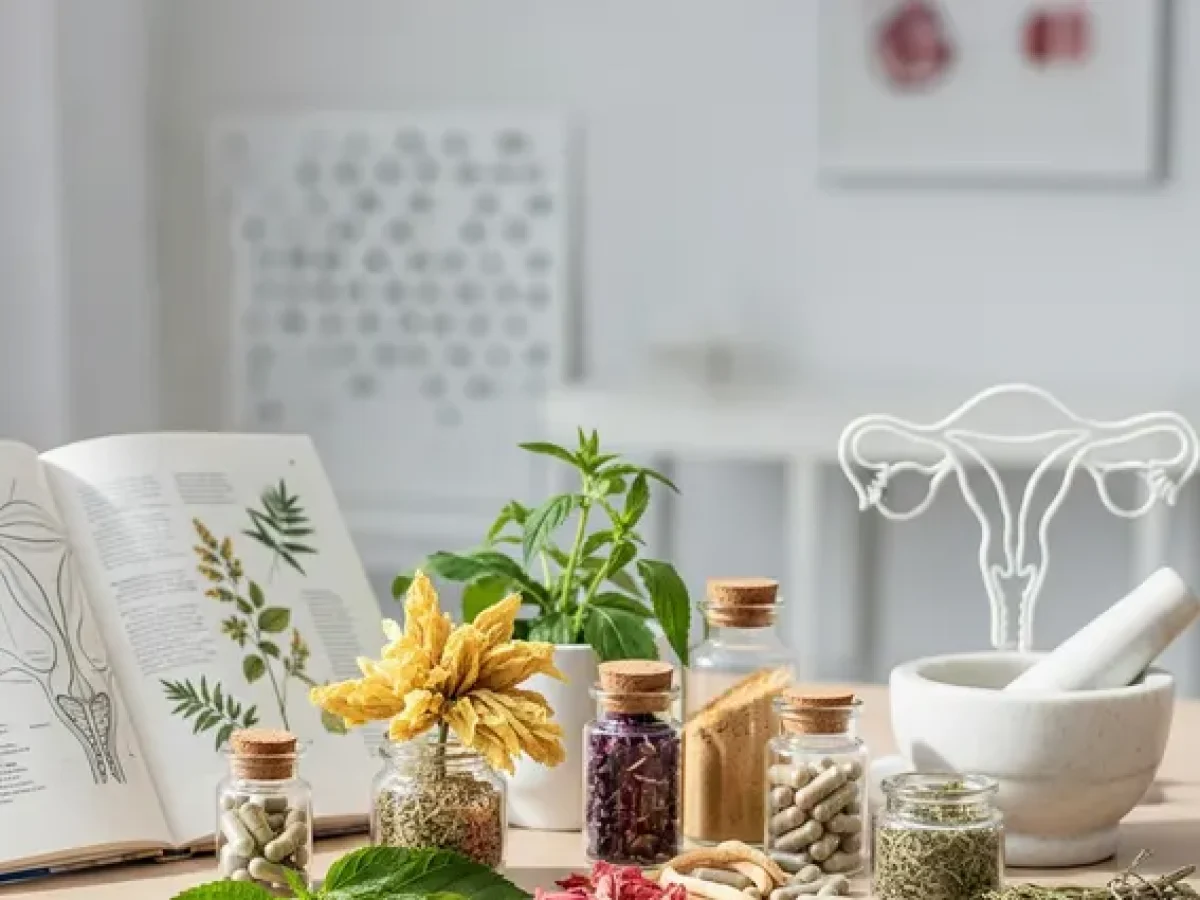
Sexual desire is influenced by many factors, including hormones, stress levels, emotional well-being, physical health, sleep quality, and relationship satisfaction. While no herb can guarantee an increase in libido, some natural plants have traditionally been used to support sexual wellness, energy levels, circulation, and hormonal balance.
Research on many of these herbs is still ongoing, and results can vary from person to person. However, they continue to be popular in traditional medicine systems around the world.
1. Maca Root
Native to Peru, maca root has long been used as a natural tonic for energy, stamina, and sexual well-being. Some studies suggest it may help support sexual desire in certain women.
2. Ginseng
Ginseng is known for its potential ability to combat fatigue and improve energy levels. Better energy and circulation may indirectly support sexual wellness.
3. Ashwagandha
Often used in traditional Ayurvedic medicine, ashwagandha may help reduce stress and support overall hormonal balance, both of which can influence libido.
4. Tribulus Terrestris
This herb has been studied for its potential role in supporting sexual desire and satisfaction in some women.
5. Damiana
Damiana has a long history as a traditional herbal aphrodisiac and is commonly used to support mood and relaxation.
6. Shatavari
Known as a women’s health herb in Ayurveda, shatavari is often used to support reproductive and hormonal health.
7. Saffron
Some research suggests saffron may positively influence mood and certain aspects of sexual function.
8. Fenugreek
Fenugreek contains compounds that may support hormone-related processes and overall vitality.
9. Gingko Biloba
Gingko is often associated with healthy blood circulation, which may play a role in sexual responsiveness.
10. Rhodiola Rosea
This adaptogenic herb may help the body cope with stress and fatigue, potentially supporting overall well-being.
11. Muira Puama
Traditionally used in South America, Muira Puama has been associated with supporting sexual interest and vitality.
12. Horny Goat Weed
Despite its unusual name, this herb has been used in traditional medicine for centuries to support sexual health.
13. Dong Quai
Sometimes called the “female ginseng,” Dong Quai is often used in traditional herbal practices for women’s wellness.
14. Licorice Root
Licorice root has traditionally been used to support adrenal function and overall hormonal health.
15. Red Clover
Red clover contains plant compounds known as phytoestrogens, which may support hormonal balance in some women.
16. Black Cohosh
This herb is commonly used to support women’s health during hormonal transitions such as menopause.
17. Holy Basil
Holy basil may help reduce stress and support emotional well-being, both of which can affect sexual desire.
18. Catuaba Bark
Traditionally used in Brazilian herbal medicine, Catuaba is associated with energy and vitality.
19. Schisandra
Schisandra is valued in traditional medicine for supporting endurance, energy, and overall wellness.
20. Nettle Root
Nettle contains nutrients that may contribute to general health and hormonal support.
21. Ginger
Ginger is known for supporting healthy circulation and reducing inflammation, which may indirectly benefit sexual wellness.
22. Turmeric
Turmeric contains curcumin, a compound known for its antioxidant and anti-inflammatory properties.
23. Cinnamon
Cinnamon may help support healthy blood flow and metabolic health when included as part of a balanced diet.
24. Fennel
Fennel has traditionally been used to support digestive and hormonal health in women.
25. Lavender
Although commonly used for relaxation, lavender may help reduce stress and promote a more positive mood, which can influence intimacy and desire.
Why Libido Can Change
Libido naturally fluctuates throughout life. Factors such as stress, anxiety, poor sleep, medications, hormonal changes, relationship challenges, and overall health can all affect sexual desire. Addressing these underlying factors is often just as important as any supplement or herbal remedy.
Final Thoughts
Many herbs have a long history of traditional use for supporting female sexual wellness, energy, and hormonal balance. While some have shown promising results in research, responses vary between individuals, and no herb should be viewed as a guaranteed solution.
A healthy lifestyle, stress management, quality sleep, regular exercise, and open communication in relationships remain some of the most effective foundations for maintaining a satisfying and healthy intimate life.