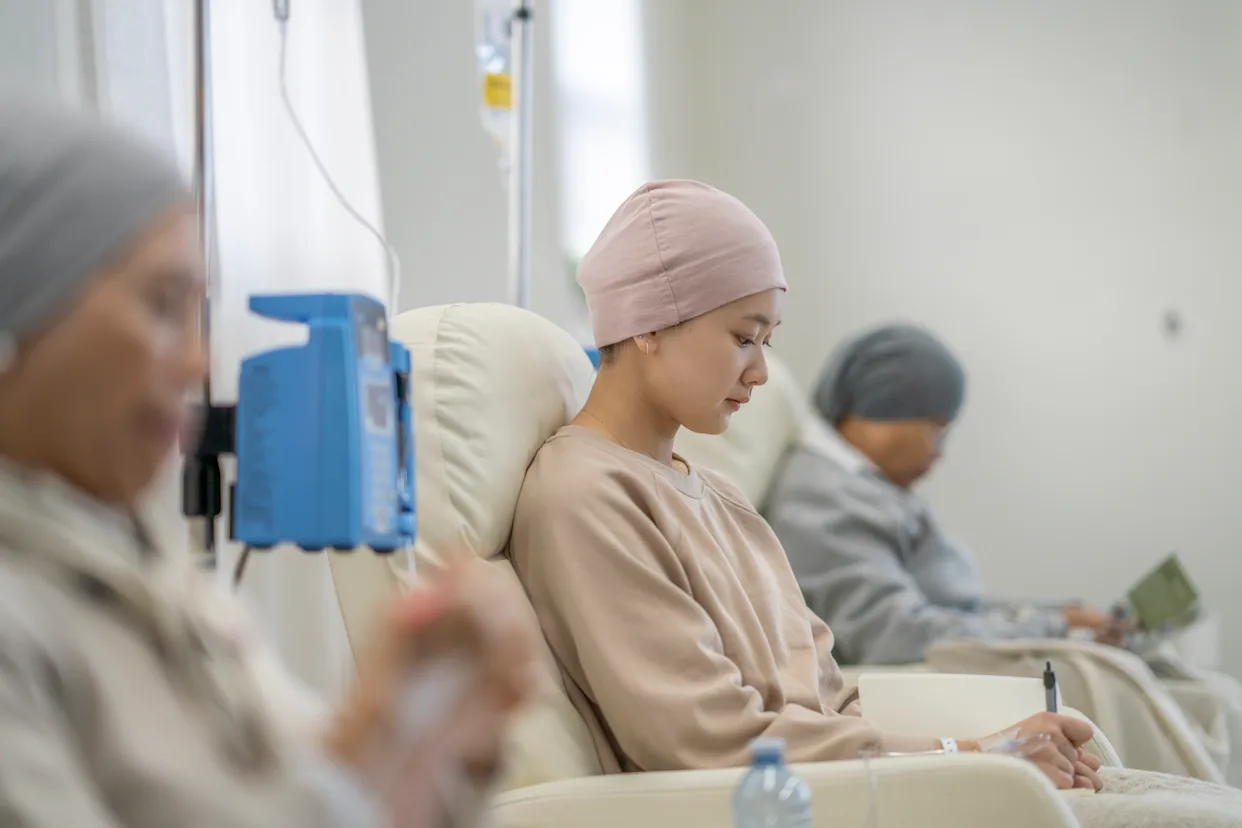
Recent research has raised concerns about a troubling trend: certain types of cancer are being diagnosed more frequently in younger generations than in previous ones. Studies examining long-term health data suggest that many members of Generation X and the Millennial generation are experiencing higher rates of several cancers compared to people who were born decades earlier.
While advances in screening and diagnosis may explain part of the increase, researchers believe that lifestyle, environmental, and metabolic factors may also be contributing to this growing public health issue.
What the research found
Researchers analyzing cancer trends across different birth cohorts found that people born in more recent decades appear to face a higher risk of developing certain cancers earlier in life. The increase has been observed across multiple cancer types, including some that were traditionally considered more common in older adults.
The findings suggest that generational differences may be influencing cancer risk in ways that are not fully understood. Scientists continue to investigate why these patterns are emerging and what factors may be driving them.
Which cancers are increasing?
Studies have reported rising rates of several cancers among younger adults, including:
- Colorectal cancer
- Kidney cancer
- Pancreatic cancer
- Liver cancer
- Thyroid cancer
- Certain reproductive cancers
Not every type of cancer is increasing, and trends vary by age, sex, and geographic location. However, the overall pattern has attracted significant attention from researchers and healthcare organizations.
Possible role of obesity
One factor frequently discussed by researchers is the rise in obesity rates over recent decades. Excess body weight has been linked to several forms of cancer and may contribute to chronic inflammation, hormonal changes, and metabolic disruptions that affect long-term health.
Because obesity has become more common at younger ages, some experts believe it may be playing a role in the increase in early-onset cancers.
Changes in diet and lifestyle
Modern lifestyles have changed dramatically compared to those of previous generations. Diets high in ultra-processed foods, sugary beverages, and excess calories may influence cancer risk over time.
At the same time, sedentary lifestyles have become increasingly common. Many people spend large portions of the day sitting, which can negatively affect overall metabolic health.
Environmental factors under investigation
Researchers are also exploring the potential impact of environmental exposures. These may include air pollution, chemicals found in everyday products, and other factors that have become more widespread over recent decades.
While evidence continues to evolve, scientists believe that multiple influences are likely working together rather than a single cause being responsible for the trend.
Better detection may play a role
Improved screening programs and advances in medical imaging have helped doctors detect cancers earlier than ever before. As a result, some increases in diagnosis rates may reflect better identification of cases that previously went unnoticed.
However, many researchers believe that improved detection alone does not fully explain the increases being observed in younger populations.
Why early awareness matters
Cancer has traditionally been viewed as a disease that primarily affects older adults. Because of this perception, younger individuals may ignore symptoms or delay seeking medical advice.
Awareness is important because early detection often improves treatment outcomes. Persistent symptoms such as unexplained weight loss, ongoing fatigue, changes in bowel habits, unusual bleeding, or unexplained pain should not be ignored regardless of age.
Steps that may help reduce risk
Although not all cancers can be prevented, several healthy habits may help lower overall risk:
- Maintaining a healthy weight.
- Engaging in regular physical activity.
- Eating a balanced diet rich in fruits and vegetables.
- Avoiding tobacco products.
- Limiting alcohol consumption.
- Keeping up with recommended health screenings.
Final thoughts
The rising cancer rates seen in some younger generations have become an important area of scientific research. While researchers continue to study the causes, the findings highlight the importance of healthy lifestyle choices, awareness of potential symptoms, and regular medical checkups.
Understanding these trends may help healthcare professionals develop better prevention strategies and improve outcomes for future generations.