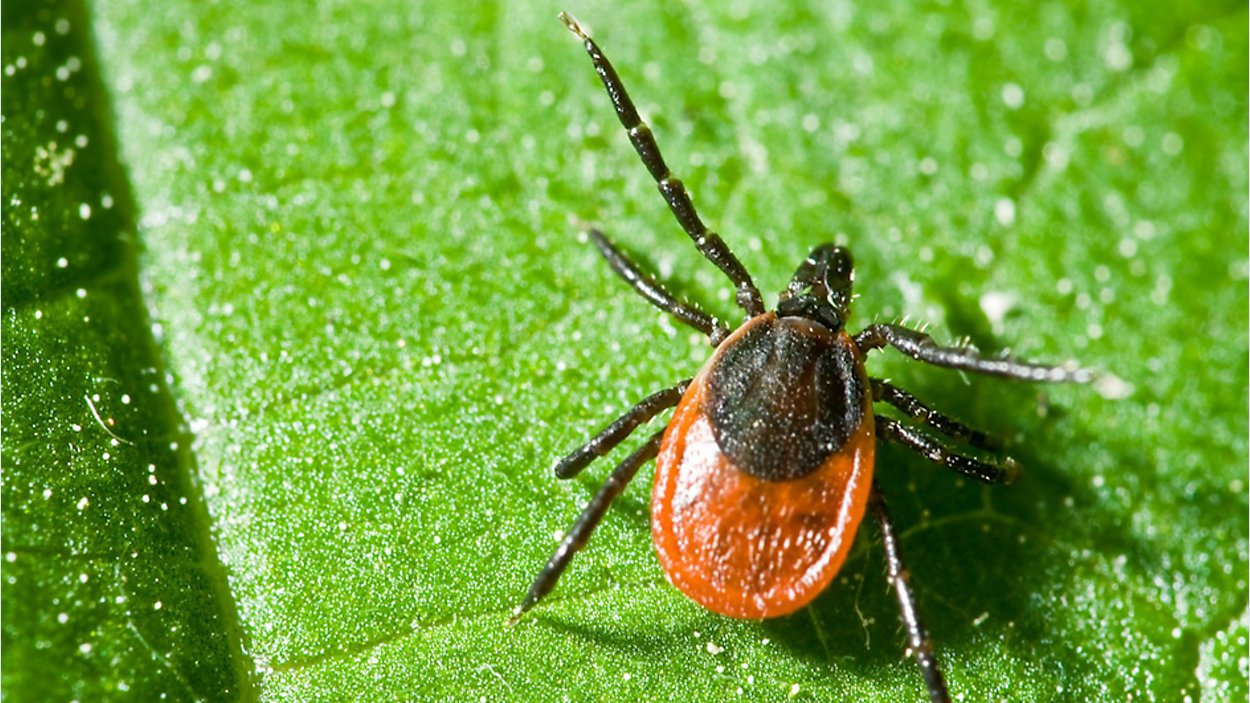
Health officials across the United States are warning that the 2026 tick season may be one of the most active in recent years. According to recent CDC data, emergency room visits related to tick bites are already significantly higher than normal in many parts of the country.
Ticks are small паразites that feed on blood and can spread dangerous diseases including Lyme disease, Rocky Mountain spotted fever, babesiosis, ehrlichiosis, and alpha-gal syndrome. Experts say warmer temperatures, changing climate conditions, and expanding tick populations are contributing to the rising risk.
Why Tick Bites Are Rising in 2026
According to the CDC and public health experts, several factors are causing tick activity to increase this year:
- Warmer winters are helping ticks survive longer.
- Early spring temperatures are causing ticks to become active sooner.
- Tick populations are expanding into new regions.
- More outdoor activities increase human exposure.
- Humid conditions help ticks reproduce and spread.
Experts also warn that many tick bites go unnoticed because young ticks can be as small as a poppy seed.
US States With the Highest Tick Risk in 2026
While ticks can be found across much of the United States, health officials say several regions are currently experiencing especially high activity.
Northeast States
- New York
- Pennsylvania
- Connecticut
- Massachusetts
- New Jersey
- Maine
- Rhode Island
- Vermont
These states continue to report some of the highest Lyme disease rates in the country.
Midwest States
- Wisconsin
- Minnesota
- Michigan
- Illinois
Blacklegged ticks, also called deer ticks, are spreading rapidly across many Midwest regions.
Southern and Mid-Atlantic States
- Virginia
- North Carolina
- Tennessee
- Arkansas
- Missouri
Lone star ticks are especially common in these areas and are linked to alpha-gal syndrome, a condition that can trigger allergic reactions to red meat.
What the CDC Maps Show
Recent CDC surveillance maps show that Lyme disease cases and tick populations have expanded significantly since the 1990s. Areas once considered low-risk are now reporting increasing numbers of tick-borne illnesses.
The CDC states that blacklegged ticks are now widely established across much of the Northeast, Mid-Atlantic, and Upper Midwest regions. Lone star ticks are also spreading northward into areas where they were previously uncommon.
Common Diseases Spread by Ticks
1. Lyme Disease
The most common tick-borne illness in the United States. Symptoms may include fever, fatigue, headache, muscle pain, and the famous bull’s-eye rash.
2. Rocky Mountain Spotted Fever
A potentially serious bacterial infection that can become dangerous if not treated quickly.
3. Babesiosis
A parasite infection that affects red blood cells and can become severe in vulnerable individuals.
4. Ehrlichiosis
Often causes flu-like symptoms including fever, chills, muscle aches, and fatigue.
5. Alpha-Gal Syndrome
Triggered mainly by lone star tick bites, this condition can cause allergic reactions to red meat products.
Early Symptoms You Should Never Ignore
- Fever or chills
- Extreme fatigue
- Headaches
- Joint pain
- Muscle aches
- Skin rash
- Swollen lymph nodes
- Nausea or dizziness
Some tick-borne illnesses may initially feel similar to the flu, which makes early diagnosis difficult.
What To Do If a Tick Bites You
Health experts recommend removing ticks as quickly as possible because the longer a tick stays attached, the greater the risk of disease transmission.
- Use fine-tipped tweezers.
- Pull upward slowly without twisting.
- Clean the bite area with alcohol or soap and water.
- Avoid crushing the tick with bare fingers.
- Monitor for symptoms over the next few weeks.
If symptoms develop after a tick bite, medical attention should be sought immediately.
How To Protect Yourself During Tick Season
- Wear long sleeves and long pants outdoors.
- Use EPA-approved insect repellents.
- Avoid tall grass and wooded areas when possible.
- Check your body and clothing after outdoor activities.
- Shower soon after coming indoors.
- Inspect pets regularly for ticks.
Final Thoughts
The 2026 tick season is already showing signs of becoming unusually active across many parts of the United States. Health officials are urging people to stay alert, especially in high-risk states where tick populations and tick-borne diseases continue to rise.
Early prevention, quick tick removal, and recognizing symptoms can greatly reduce the risk of serious illness. As outdoor activity increases during warmer months, awareness may be one of the best defenses against tick-related diseases.