Many people have experienced a strange and unsettling moment during sleep: you suddenly become aware that you are awake, but your body refuses to move.
You may try to speak, scream, or even lift a finger, yet nothing happens.
Your mind feels alert, but your body remains completely still. For some, the experience lasts only a few seconds; for others, it can feel like several long minutes.
This phenomenon is often frightening, especially when it happens for the first time.
However, what many people do not realize is that this mysterious experience has a scientific explanation.
It is commonly known as sleep paralysis, a temporary state in which the body remains immobilized while the mind begins to wake up.
Sleep paralysis occurs during the transitions between sleep and wakefulness.
Normally, when we fall asleep, the brain enters different stages of sleep.
One of these stages is called REM sleep (Rapid Eye Movement), which is the phase where most vivid dreaming occurs.
During REM sleep, the brain temporarily disables most of the body’s muscles.
This process is actually a protective mechanism. It prevents us from physically acting out our dreams, which could potentially cause injury.
For example, if someone dreams about running or fighting, their body would normally attempt to perform those movements.
By temporarily shutting down muscle activity, the brain ensures that we remain safely still while dreaming.

Sleep paralysis happens when the mind wakes up before the body has fully regained control of its muscles.
In other words, the brain becomes conscious, but the protective paralysis from REM sleep has not yet turned off.
This creates the disturbing sensation of being awake but unable to move.
Many people also report trying to shout for help but discovering that their voice will not come out.
This inability to speak is also related to the same muscle inhibition that occurs during REM sleep.
Another reason sleep paralysis can feel so intense is that it is often accompanied by unusual sensory experiences.
Some people report hearing sounds such as footsteps, whispers, or buzzing noises.
Others may feel pressure on their chest or the sensation that someone is present in the room.
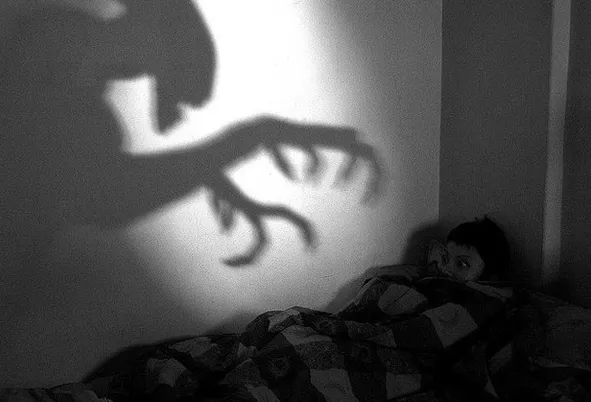
In some cases, people even see shadowy figures or shapes.
These experiences are called hypnagogic or hypnopompic hallucinations, depending on whether they occur while falling asleep or waking up.
Although they may feel very real, they are actually the result of the brain blending dream imagery with waking awareness.
The feeling of chest pressure during sleep paralysis has also been widely reported across cultures.
Many individuals describe the sensation as if something heavy is sitting on their chest, making it difficult to breathe.
Scientifically, this sensation happens because breathing during REM sleep becomes slower and more shallow.
When someone wakes up during this stage while still paralyzed, the breathing pattern may feel unusual, which can create the impression that something is restricting the chest.
Stress and sleep habits are among the most common factors associated with sleep paralysis.
People who experience irregular sleep schedules, frequent sleep deprivation, or high levels of stress may be more likely to encounter it.
When the body and brain are extremely tired, the transitions between sleep stages can become less stable.
This instability increases the chances that the mind may awaken while the body is still in its REM sleep paralysis state.
Sleeping position may also play a role. Many individuals report that sleep paralysis occurs more frequently when they sleep on their back.
In this position, breathing patterns can change slightly, and the brain may be more likely to maintain REM-related muscle inhibition during the waking process. Although this connection is not fully understood, changing sleeping positions sometimes helps reduce the frequency of these episodes.

Another important factor is anxiety. When someone experiences sleep paralysis, fear can intensify the sensation.
Because the body cannot move, the brain may interpret the situation as a threat, triggering a panic response.
This reaction can make the episode feel longer and more terrifying than it actually is.
However, the paralysis always ends naturally once the brain fully transitions into wakefulness.
Despite how frightening it may feel, sleep paralysis itself is generally harmless.
Most episodes last only a short time and do not cause lasting physical harm.
Understanding the scientific explanation behind the experience can help reduce fear if it happens again.
Many sleep experts recommend focusing on calming breathing and reminding yourself that the condition is temporary.
In some cases, attempting to move small muscles, such as the fingers or toes, can help break the paralysis more quickly.
Maintaining healthy sleep habits can also help reduce the chances of experiencing sleep paralysis.
Going to bed at consistent times, ensuring adequate sleep each night, managing stress levels, and creating a relaxing bedtime routine may help stabilize sleep cycles.
Avoiding heavy meals, excessive caffeine, or stimulating activities before bed can also improve overall sleep quality.
Throughout history, different cultures have interpreted sleep paralysis in various ways.
Before the scientific understanding of sleep stages, many societies believed the experience was caused by supernatural forces or nighttime spirits.
Stories of shadowy figures or unseen presences likely came from the vivid hallucinations that can accompany the condition.
Today, research has shown that these experiences are actually the result of the brain temporarily blending dreaming and waking states.

In conclusion, the mysterious sensation of wanting to scream or move during sleep but being unable to do so is usually the result of sleep paralysis.
Although it can feel frightening, it is a natural process related to the brain’s control over muscle movement during REM sleep.
Understanding the science behind it can help reduce fear and provide reassurance that the body will eventually regain control.
By maintaining good sleep habits and managing stress, many people can reduce the frequency of these episodes and enjoy more peaceful nights of rest.