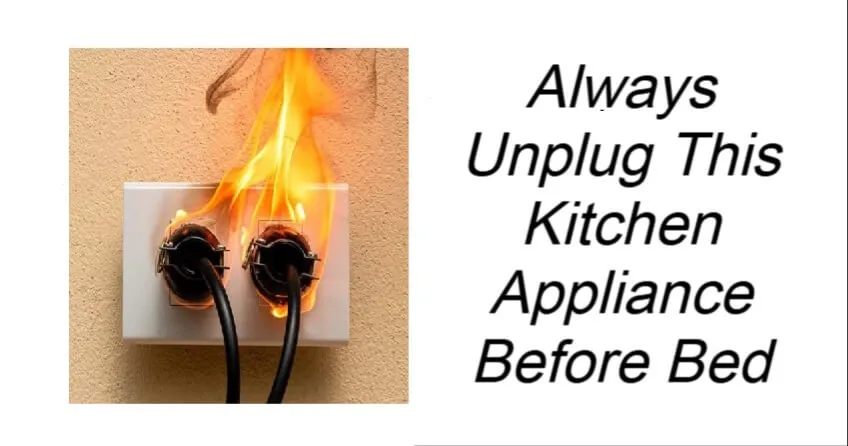
In almost every home, kitchen appliances quietly power our daily routines. From morning coffee to quick meals on busy evenings, these devices make life easier and more efficient. Yet despite their convenience, some commonly used kitchen appliances can pose serious safety risks if they are not handled properly. Knowing where these dangers lie is an important step toward keeping your home and family safe.
The Hidden Risks Lurking in Your Kitchen
Many kitchen appliances appear harmless, but regular use, poor maintenance, or simple oversight can turn them into fire hazards. Here are a few everyday appliances that deserve closer attention.
1. Toasters
Toasters are among the most frequently used kitchen appliances, but they are also one of the most overlooked when it comes to safety. Over time, crumbs and food debris collect inside the toaster. If not cleaned regularly, these crumbs can ignite due to the intense heat produced during operation.
To reduce the risk, empty the crumb tray often, unplug the toaster when it is not in use, and never insert metal objects to remove stuck food. A few small habits can significantly lower the chance of a kitchen fire.
2. Coffee Makers
For many people, the day does not begin without coffee. While coffee makers are generally safe, leaving them plugged in continuously can increase the risk of overheating, especially in older or poorly maintained models. Some machines contain heating elements that remain warm long after brewing is complete.
Unplugging your coffee maker after each use is a simple but effective way to prevent potential electrical issues. Regular cleaning and descaling also help keep internal components functioning safely.
3. Microwaves
Microwaves are valued for their speed and convenience, but they are not risk-free. Faulty wiring, damaged door seals, or internal component failures can lead to overheating or even fires. Using inappropriate containers or placing metal objects inside can also cause sparks and damage.
Routine inspection, proper usage, and unplugging the microwave when it is not in use can help minimize these risks and extend the appliance’s lifespan.
Why Unplugging Matters More Than You Think
Unplugging appliances when they are not in use is one of the simplest ways to improve home safety. Many devices continue to draw power even when turned off, a phenomenon known as phantom or standby power. This constant energy flow can contribute to overheating, wear on internal components, and increased fire risk.
Beyond safety, unplugging appliances also reduces energy waste and can lower electricity bills. It is a small habit with meaningful benefits.
Additional Kitchen Safety Tips
- Perform regular maintenance: Check cords, plugs, and outlets for signs of damage or wear.
- Use appliances correctly: Always follow manufacturer guidelines and avoid overloading electrical outlets.
- Prioritize child safety: Keep appliances out of reach, use safety covers, and supervise children in the kitchen.
- Stay organized: Avoid clutter around appliances, especially those that generate heat.
Final Thoughts
Kitchen appliances bring comfort and convenience into our daily lives, but they also demand responsibility. Being aware of the potential risks associated with devices like toasters, coffee makers, and microwaves allows you to take proactive steps toward safety.
Regular maintenance, mindful use, and the simple habit of unplugging appliances when they are not in use can significantly reduce fire hazards. By building these practices into your daily routine and sharing them with family members, you create a safer home environment and gain greater peace of mind. Small actions today can prevent serious accidents tomorrow.