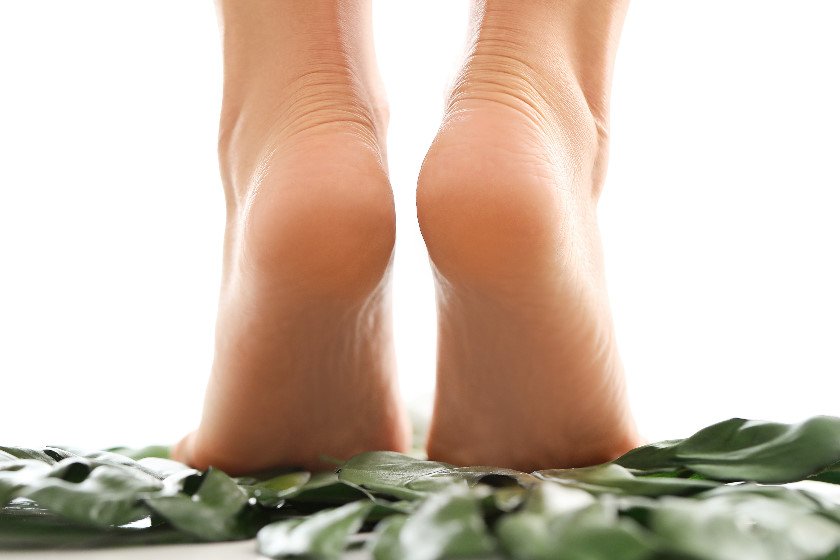
Good blood circulation in your legs and feet is essential for overall health, mobility, and energy. Poor circulation can lead to cold feet, numbness, tingling, swelling, fatigue, and discomfort. The good news is that in many cases, circulation can be improved with simple lifestyle changes.
Your circulatory system works like a transport network, delivering oxygen and nutrients throughout your body. When blood flow slows down in the lower limbs, it can affect how your legs and feet feel and function.
1. Stay Physically Active
Regular movement is one of the most effective ways to improve circulation. Walking, light jogging, cycling, and swimming help pump blood through your legs and feet.
Even short daily walks can make a noticeable difference over time.
2. Stretch Your Legs Regularly
Simple stretching exercises help relax muscles and encourage blood flow.
Stretching your calves, hamstrings, and ankles can reduce stiffness and improve circulation, especially if you sit for long hours.
3. Elevate Your Legs
Raising your legs above heart level for 10–15 minutes can help blood return to the heart more easily.
This can reduce swelling and improve overall circulation in the lower body.
4. Massage Your Feet and Legs
Gentle massage stimulates blood vessels and improves circulation in the muscles and tissues.
Using natural oils or moisturizers can enhance the effect and relax tired legs.
5. Stay Hydrated
Water helps maintain proper blood volume and improves circulation efficiency.
Dehydration can make blood thicker and slow down circulation, so regular fluid intake is important.
6. Avoid Sitting or Standing Too Long
Remaining in one position for long periods can restrict blood flow to the legs.
Try to move or stretch every 30–60 minutes if you have a sedentary lifestyle or desk job.
7. Wear Comfortable Footwear
Tight shoes can restrict blood flow and cause discomfort.
Choosing properly fitted, supportive footwear helps maintain healthy circulation and reduces pressure on your feet.
8. Maintain a Healthy Diet
Foods rich in antioxidants, omega-3 fatty acids, and vitamins help support vascular health.
Fruits, vegetables, nuts, fish, and whole grains can all contribute to better circulation.
9. Reduce Smoking and Alcohol
Smoking narrows blood vessels, while excessive alcohol can negatively affect circulation.
Reducing or avoiding these habits can significantly improve blood flow over time.
10. Manage Stress Levels
Chronic stress can affect blood pressure and circulation.
Relaxation techniques such as deep breathing, meditation, or light exercise can help improve overall blood flow.
When to See a Doctor
Final Thoughts
Improving blood flow in your legs and feet is often about consistent healthy habits rather than quick fixes. Regular movement, hydration, proper diet, and lifestyle adjustments can significantly enhance circulation and overall well-being.
Taking care of your circulatory health today helps prevent discomfort and complications in the future.